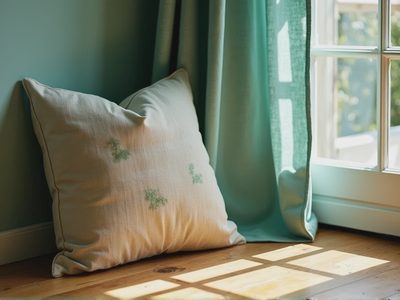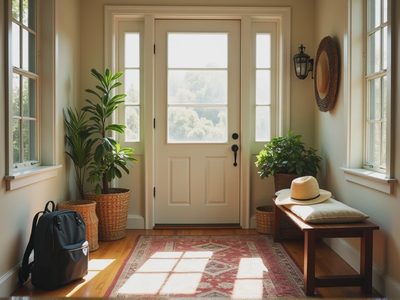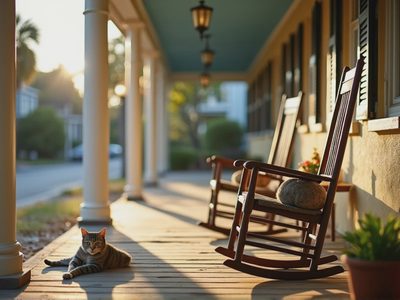
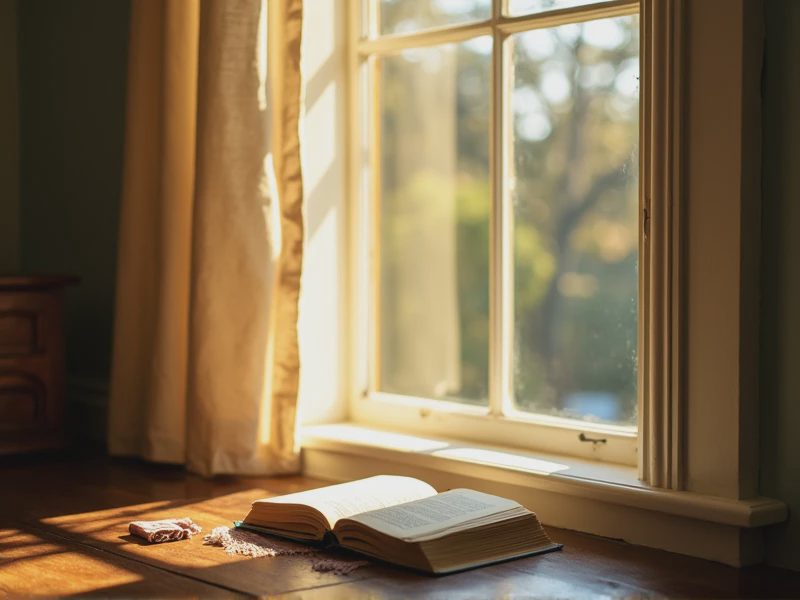
Charleston light does not behave like the light in most of the design books. It is stronger, more sideways in the late afternoon, and almost always carrying a little humidity with it. It moves across a room differently. It fades fabrics faster. It can turn a beautiful curtain into a silhouette or a glare depending on the hour.
If you treat a Lowcountry window the same way you would treat a window in New York or Seattle, the room will tell on you. The fabric will look tired before its time, the light will feel harsh when you wanted soft, or the whole wall will go flat at the exact moment the day is most beautiful.
The light we actually live with
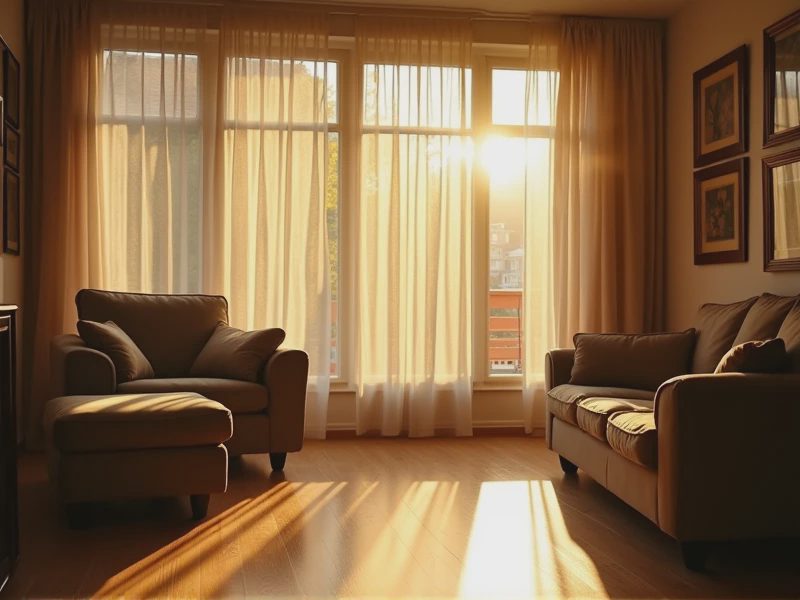
Morning light here tends to be clearer and cooler. By midday it is high and intense. Late afternoon is when the real character shows up—long, warm, and low enough to rake across floors and furniture. In summer the sun stays high and demanding. In winter it drops and becomes more golden, but no less determined to find every gap in your window treatment.
Humidity is the quiet partner. It softens the quality of the light and also works on the fabric itself. Linen relaxes. Some synthetics hold their shape a little too tightly. Anything that cannot breathe will eventually feel at odds with the air in the room.
What the window needs to do
A good Lowcountry window treatment has three quiet jobs:
Soften without smothering.
Protect the things you care about from the strongest hours of sun.
Stay honest when the light changes.
That last one is the hardest. A curtain that looks perfect at 11 a.m. can feel heavy and wrong at 4:30. The best solutions change character with the day instead of fighting it.
Fabric choices that understand the climate
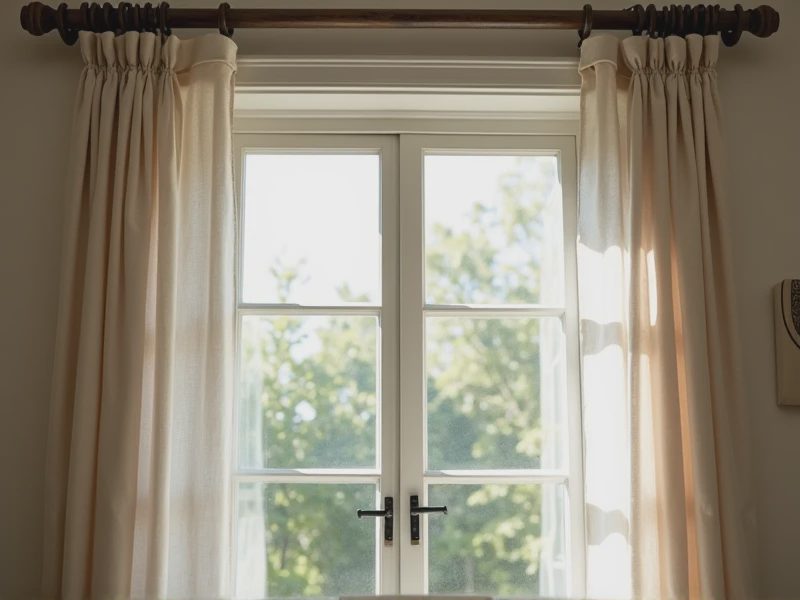
I reach for linen more than almost anything else in these rooms. It takes the light gently, wrinkles in a way that feels lived-in rather than neglected, and moves with the humidity instead of resisting it. A good mid-weight linen filters without turning the room into a cave. Sheer linen or a linen-cotton blend can glow in the morning and still offer a little privacy by evening.
Cotton can work beautifully if the weave is tight enough and the color is chosen with fading in mind. Velvet has a place too, especially in rooms that want more enclosure, but I am careful about where it sits relative to the strongest sun. Performance fabrics have improved, yet many still reflect light in a slightly harder way that feels less at home in this climate. I use them when durability is the priority, not when the quality of light is.
Lining matters more here than in milder places. A light, breathable lining can protect the face fabric without adding stiffness. Full blackout is rarely my first choice in a main living space unless the room is used for sleeping or media. We need the light; we just need it tempered.
Hardware and proportion
In the Lowcountry I almost always prefer to hang curtains high and wide. The extra height helps the window feel generous, and the extra width lets you pull the fabric clear of the glass so the light can still enter when you want it. Mounting too close to the window frame is the fastest way to make a beautiful opening feel smaller and more constrained than it is.
I favor simple hardware that does not compete with the architecture. Many of these houses already have strong bones. The curtain should support them, not perform in front of them.
A few practical patterns I keep returning to
For east-facing rooms that get the morning sun: lighter linens or sheers that let the day begin gently.
For west-facing rooms that take the afternoon glare: a slightly fuller, more filtering fabric, sometimes paired with a simple shade that can come down for the harshest hour.
For rooms that open onto a porch: treatments that continue the conversation the porch has already started—nothing too formal or heavy.
For historic windows with imperfect glass: fabrics that move and soften rather than fabrics that try to look perfectly tailored against wavy panes.
The real test
The only test that matters is living with the light for a full day. Open the curtains in the morning and notice where the sun lands. Check again after lunch. Sit in the room at 5 p.m. and see whether the fabric is still a friend or has become a barrier. If the room feels better with the curtains open than closed, you are on the right track. If you find yourself wanting to shut out the very light the house was built to receive, something in the treatment is working against the place.
Southern light is not a problem to solve. It is a material to work with—strong, shifting, and generous when you give it the right fabric and the right amount of room.
A soft room is a room that breathes.
In the Lowcountry, the windows are how it starts.
— Caroline