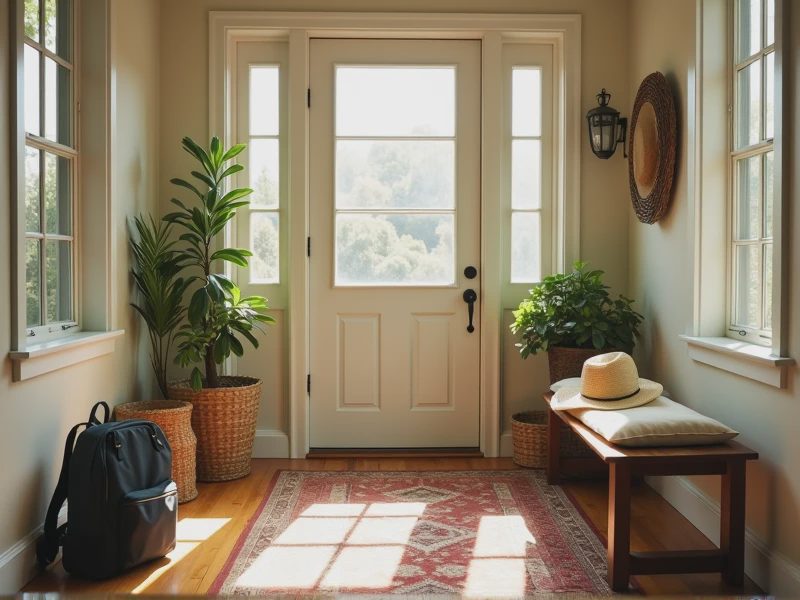
In Charleston the front door is not just an entrance. It is the first conversation the house has with anyone who arrives. The entryway sets the temperature for everything that follows—whether a guest feels received or merely admitted, whether the transition from street to interior feels abrupt or considered.
I have walked into beautiful homes that somehow felt cold at the threshold, and into simpler ones that made me exhale before I had even put my bag down. The difference is rarely the size of the foyer. It is whether the space understands its job.
What an entryway is actually for
A good entryway does three quiet things:
It marks the shift from outside to in.
It offers a place to pause—keys, bags, a moment to adjust.
It gives the first soft signals about how the rest of the house wants to be lived in.
In the Lowcountry that third job carries extra weight. Hospitality here is not a performance. It is an instinct baked into the architecture and the culture. The entry should feel like an extension of that instinct rather than a decorative afterthought.
Light and the threshold
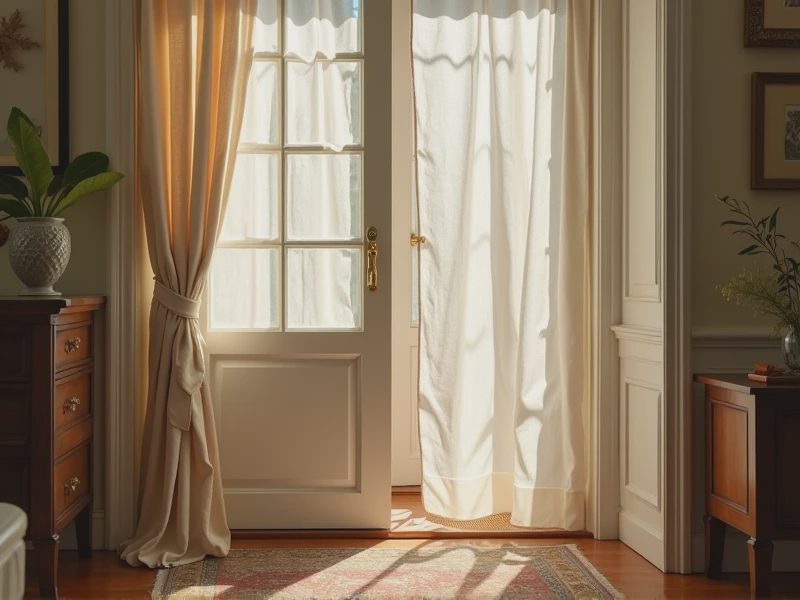
Southern light reaches the front of the house with particular intensity. An entry that ignores this can feel either glare-filled or cave-like depending on the hour. I pay close attention to how the door and any sidelights or transoms bring light in, and then I decide what the soft furnishings need to do with it.
A simple curtain or shade at a glazed door can soften the strongest afternoon sun without cutting the connection to the porch or the street. In tighter entries, a runner that grounds the floor and a single soft surface—a bench cushion, a small upholstered stool—can keep the space from feeling hard. The goal is not to decorate the arrival. The goal is to make the arrival feel held.
The practical soft layer
Entryways take abuse. Sand, moisture, school bags, grocery runs, the cat deciding the new rug is interesting. Fabrics and floor coverings here need to forgive without looking institutional.
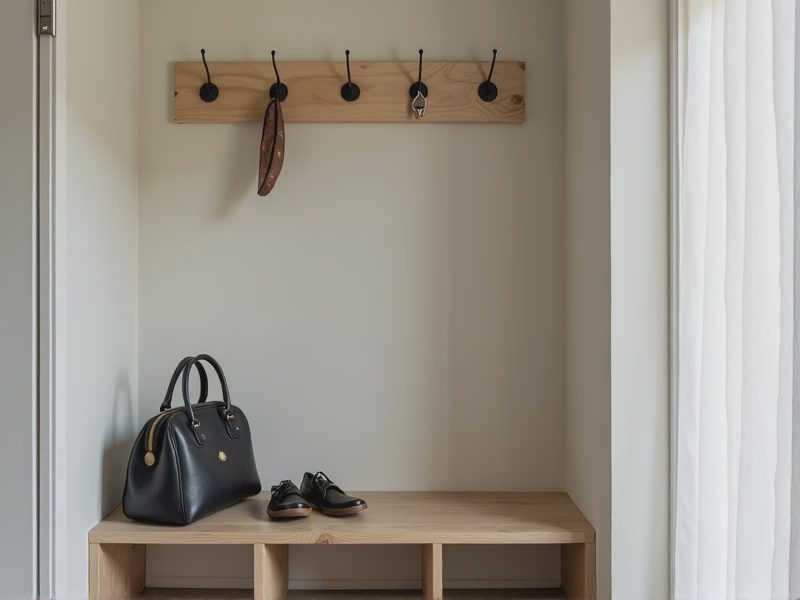
I reach for rugs with enough texture and color complexity to hide daily life, and for pads that keep them from sliding when someone comes in in a hurry. A bench with a washable cushion earns its place every single day. Hooks or a small console only work if they are easy to use; if the system requires careful arrangement, it will lose to the nearest chair.
Curtains or shades in an entry should be simple enough to operate without thought. This is not the place for high drama or high maintenance. A linen or a tightly woven cotton that can handle being touched and occasionally damp is usually more successful than something precious.
Scale and first impression
Many Charleston houses have modest entries. Trying to make them look grander than they are usually backfires. I prefer to lean into the actual proportions. A well-chosen runner that fits the space, a light that feels welcoming rather than formal, and one or two soft elements that invite touch will do more than an oversized console or an elaborate treatment that crowds the room.
The first thing a person should feel is not “this is decorated.” It should be “I can set my things down and breathe.” That feeling is created by clear floor space, a surface that accepts a bag or a set of keys, and textiles that soften the hard edges of arrival.
What we do at home
Our own entry is small and honest. A durable runner. A simple bench with a cushion that has been cleaned more times than I can count. Hooks at two heights so Lily can reach her own. A basket that catches the things that otherwise migrate onto the nearest chair. The curtains at the sidelights are linen, hung to filter rather than to impress. Nothing in the space is trying to make a statement. Everything is trying to make the transition easier.
When friends arrive, they step in and their shoulders drop a little. That is the only metric I care about. The entry has done its work if people feel received before anyone has said a word.
The larger point
Hospitality does not begin when the drinks are poured or the table is set. It begins at the door, in the first three steps a person takes inside your house. Soft furnishings are not the whole of that welcome, but they are a large part of how it is felt. A runner that stays put, a cushion that offers a seat, light that has been tempered rather than fought—these are small architectural acts of care.
In the Lowcountry we inherit a long tradition of receiving people well. The entryway is where that tradition meets the daily reality of bags, shoes, weather, and the need to feel at home the moment you cross the threshold.
A soft room is a room that breathes.
The best houses let that breathing start at the door.
— Caroline