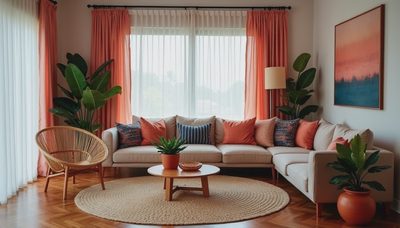
There is something wonderfully settling about a wood accent wall. It gives a room the kind of quiet warmth that paint alone cannot quite manage, especially in a home with high ceilings, hard floors, or a long blank stretch that has never found its purpose. The trick is making it feel architectural rather than themed. With the right wood tone, direction, and surrounding textiles, a wood accent wall can look collected, relaxed, and entirely at home with real family life.
Start with the wall that needs help
The best wall is not always the first one you see when you walk in. Look for a surface that feels visually important but underused: the wall behind a bed, the fireplace wall, a dining room backdrop, or the short wall at the end of a hallway. A wood accent wall works beautifully when it gives the eye somewhere to land.
Before buying a single board, stand in the room at different times of day. Morning light can make pale oak feel creamy, while evening lamps may turn walnut toward chocolate. Notice outlets, windows, doors, vents, and the path your family actually takes through the room. A wall covered with switches and interruptions may be better served by a large framed textile or a painted finish.
In a bedroom, horizontal boards can make the room feel wider and more restful. Vertical boards draw the eye upward and are especially helpful in a room with low ceilings. Narrow slats create a more tailored, contemporary feeling, while wider planks feel relaxed and a little more coastal. The direction is not a minor detail; it changes the room's proportions.
Choose wood for your actual household
I love the look of a wood accent wall, but I do not recommend choosing the most delicate material simply because it photographs beautifully. In a playroom, entry, or dining area, you want a finish that can tolerate fingerprints, a tossed backpack, and the occasional enthusiastic toy. Factory-finished paneling is often easier to clean than unfinished boards, and engineered wood can provide a consistent appearance without the movement of some solid products.
Real wood brings natural variation, which is part of its charm. Pine is usually approachable in price and takes stain readily, though knots can become a strong feature. White oak has a calm grain and works with both traditional and modern furnishings. Walnut is richer and more dramatic, so it often needs more breathing room around it. Reclaimed boards can be beautiful, but inspect them carefully for odor, splinters, loose fasteners, and a rough surface that will catch clothing or little hands.
If you rent, look at removable options rather than assuming a permanent installation is your only route. Some lightweight panels can be attached over a properly protected surface and removed with thoughtful patching. Always follow the product's installation instructions, particularly around moisture, heat sources, and electrical fixtures.
Get the color right before installation
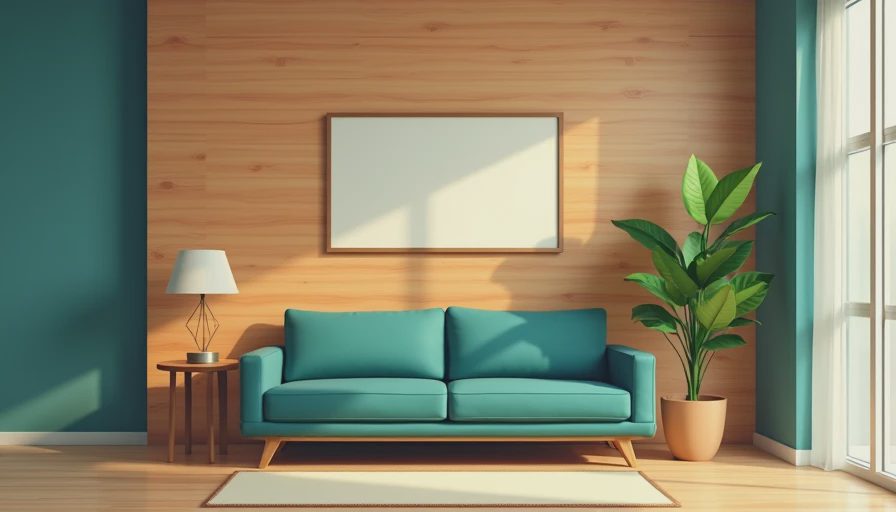
The safest wood accent wall is rarely the orange-toned stain that first catches your eye online. Bring home several samples and place them beside your floor, sofa, rug, and trim. A board that looks neutral in a store can read pink, yellow, gray, or red once it sits next to your existing finishes.
For a softer Southern look, I often prefer a light or medium natural finish with a visible grain. It has enough presence to warm the room without becoming the only conversation. A smoked oak or medium walnut can anchor a room with pale upholstery, brass lighting, and creamy linen curtains. If your furniture is already dark, a lighter wood keeps the space from feeling heavy.
Do not forget the sheen. Matte and low-sheen finishes look more relaxed and are kinder to small dents because they do not spotlight every reflection. A glossy wall can be striking in a formal dining room, but it asks for more restraint everywhere else. Paint the adjacent walls after you approve the wood sample, not before; the surrounding color will affect what you think you are seeing.
Balance the texture with soft furnishings
A wood accent wall needs softness nearby. Without it, even a lovely installation can feel hard and echoing. Add a substantial rug, upholstered seating, woven baskets, or curtains with enough fullness to interrupt the boards. Linen, cotton, wool, and velvet each bring a different kind of relief. In my own house, the cat has made a persuasive argument for tightly woven upholstery and washable throws, and I would be dishonest if I said otherwise.
Keep the furniture placement simple. A bed, sofa, or console should relate clearly to the wall rather than floating several inches away without purpose. If the wood is busy, choose a rug with a quiet pattern. If the grain is subtle, a striped chair or patterned pillow can give the room its personality.
One of my favorite approaches is pairing a wood accent wall with fabric in a related but not matching color. A warm oak wall beside oatmeal linen feels layered. A walnut wall with faded blue cotton feels livable. Matching the stain exactly to every table and cabinet usually makes the room look purchased as a set, rather than assembled over time.

Plan lighting and artwork together
Lighting changes wood more dramatically than many homeowners expect. A ceiling fixture alone can leave the lower half of the wall dim, especially behind a bed or sofa. Wall sconces, picture lights, or plug-in lamps can reveal the grain and create a gentler evening atmosphere. Use warm bulbs, generally in the soft white range, if you want to preserve the wood's cozy quality.
Artwork should not compete with every board. One oversized piece can look calmer than a collection of small frames, particularly on a narrow-plank wall. For a bedroom, try a fabric-covered headboard or a single quiet landscape. In a dining room, a round mirror can soften the linear pattern while reflecting light. Leave some wood visible around the artwork so the wall still feels intentional rather than hidden.
Before drilling, make paper templates for frames, sconces, and shelves. Tape them up for a day or two. This small step catches awkward proportions before they become expensive holes. It also lets you check whether a child, pet, or passing shoulder is likely to meet the corner of a shelf.
Make the installation feel finished
The edges matter. A wood accent wall that stops abruptly at a corner can look unfinished unless the transition is deliberate. Consider a slim trim piece, a painted return, or a clean meeting point with an adjacent wall. Baseboards may need to be removed and reinstalled so the boards sit properly, and outlets may need extension rings so their covers remain flush.
If you are hiring help, ask for a written plan that covers wall preparation, moisture control, trim, outlet treatment, and cleanup. Labor can vary widely, but a small feature wall may run from several hundred dollars for a straightforward DIY project to well over $2,000 when custom millwork, electrical work, or extensive preparation is involved. The material is only part of the budget.
For a first project, choose a wall with a clear stopping point and modest square footage. Paint the remaining walls, bring in the rug, and live with the room for a week before adding more decor. If the wall still feels too strong, soften it with fabric and artwork rather than immediately covering it up. A room needs a little time to settle around a new texture.
A wood accent wall should make your home feel more grounded, not more precious. Let the grain show, leave room for the ordinary mess, and choose finishes that can age gracefully. A soft room is a room that breathes. Let's make yours exhale.