There is something wonderfully unhurried about a claw foot bathtub. It asks you to slow down, light a candle, and let the bathwater do its work. In a Charleston house, where old details and practical family life are always negotiating at the same time, a claw foot bathtub can become the room’s anchor without making the bathroom feel like a museum.
The trick is choosing one that suits the room you actually have, not the enormous bathroom in a catalog photograph. You need to think about floor space, plumbing, cleaning, splash control, and where everyone will put the shampoo. A beautiful bath should still work when a six-year-old is splashing, a cat is waiting outside the door, and somebody has left a damp towel on the floor.
Start with the right size and shape
Before falling for a glossy white tub, measure the bathroom carefully. A standard claw foot bathtub is often around 60 inches long, but compact models can be closer to 54 inches, while larger soaking tubs may stretch beyond 66 inches. Leave enough room to walk around the tub and open the bathroom door comfortably. A clearance of roughly 30 inches along the accessible side gives you a much more pleasant experience than squeezing past a vanity.
Think about the shape, too. A slipper tub has one raised end that supports your back and feels especially comfortable for long baths. A double-slipper design has two elevated ends, creating a graceful, symmetrical look but slightly less practical support for some bathers. A classic roll-top rim feels relaxed and traditional, while a simple flat rim can look cleaner in a modern renovation.
Use painter’s tape on the floor to outline the tub’s footprint. Live with that shape for a day or two. It is a low-tech trick, but it reveals whether the door bumps into the tub, whether the toilet feels crowded, and whether you can reach the towel hook without stepping over anything.
Choose a finish that can live with you
White porcelain enamel is the familiar choice, and for good reason. It reflects light, makes a smaller bathroom feel more open, and pairs easily with marble, painted beadboard, patterned tile, or a simple oak stool. It also makes bathwater and dust easy to see, which is helpful if you prefer a quick wipe instead of a Saturday morning scrubbing session.
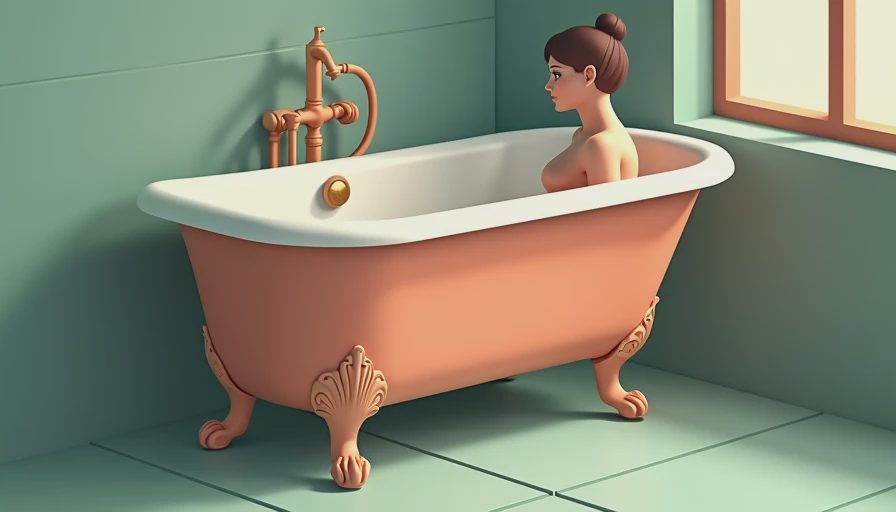
An exterior painted in deep green, charcoal, warm cream, or dusty blue gives a claw foot bathtub more personality. I love a color that quietly picks up a thread from the floor tile or window shade rather than matching every surface. In a room with busy wallpaper, keep the tub exterior calm. In a plain white bathroom, the outside of the tub is a lovely place to take a small, confident risk.
Cast iron tubs hold heat beautifully and have a reassuring solidity, but they are extremely heavy. Confirm that the floor can support the filled tub, especially in an upstairs bathroom or an older home. Acrylic versions are lighter and often easier to install, though they can feel less substantial and may show scratches if cleaned with abrasive products.
Plan the plumbing before delivery
A claw foot bathtub looks simple, but the plumbing deserves attention before the tub arrives. Freestanding supply lines rise from the floor or wall, and the drain must align with the existing plumbing. A floor-mounted faucet is often the most decorative choice, but it needs the right location and enough clearance around the rim. Wall-mounted fixtures can be easier in some renovations, particularly when the plumbing is already set inside the wall.
Ask your plumber to confirm the drain position, water-supply route, shutoff access, and overflow requirements. The tub may look light and airy once installed, but moving it later is not a charming afternoon project. Order the tub, faucet, drain, and waste-and-overflow kit as a coordinated group whenever possible. Small differences in fittings can turn a straightforward installation into an expensive scramble.
For an older home, have the floor inspected before delivery. A contractor may need to reinforce joists or adjust the finished flooring. This is exactly the sort of behind-the-walls work that costs less when planned early and much more when discovered after the new tile is down.
Make a claw foot bathtub practical for daily life
The romance is real, but so is the splash. If the tub will serve as a shower, install a ceiling-mounted circular curtain rod or a properly sized wraparound rod. A single straight curtain usually leaves gaps at both ends. Fabric shower curtains soften the room, while a washable liner protects the decorative fabric from daily water.
For a claw foot bathtub used only for soaking, you can skip the full enclosure and enjoy the open silhouette. Keep a hand shower nearby for rinsing the tub and washing children’s hair. A small wooden bath tray holds soap and a book, but choose one with a secure fit; a tray sliding into bathwater is not the peaceful scene anyone ordered.
Storage matters just as much. A narrow cabinet, vintage stool, or slim wall shelf can hold towels and daily products without competing with the tub. I prefer closed storage for colorful plastic bottles and one pretty open basket for clean towels. The room feels calmer when the useful things have somewhere to land.
Style the room around the centerpiece
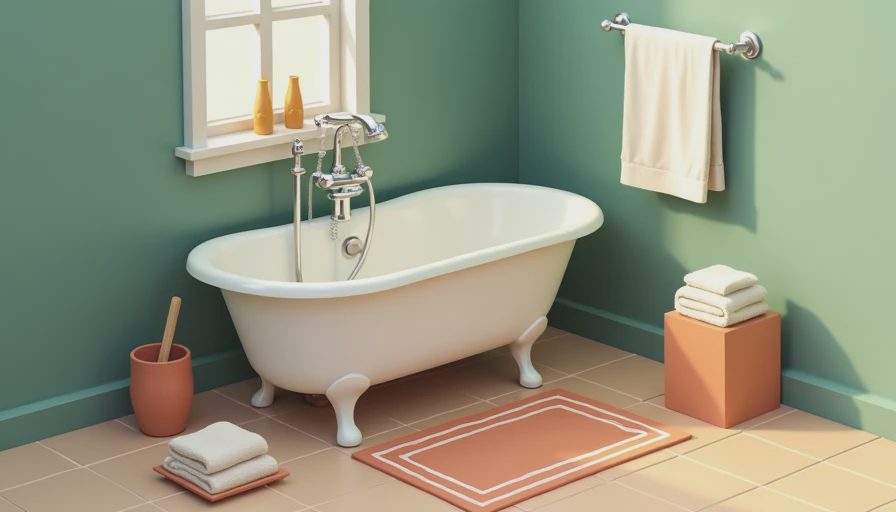
Once the claw foot bathtub is chosen, let it guide the rest of the bathroom without forcing every item to look antique. Pair traditional feet with a modern unlacquered brass sconce, or place a streamlined mirror above a painted vanity. Mixing periods keeps the room from feeling like a stage set.
Textiles do much of the emotional work here. A washable cotton runner brings warmth underfoot, and a linen-blend window shade filters bright morning light without making the room gloomy. For a family bathroom, choose towels in white, camel, blue, or soft green rather than a shade that shows every toothpaste mark. A small stool in teak or painted wood adds a place to sit while a child brushes their hair.
Do not overlook the ceiling. A little color above your head can make a white bathroom feel finished, especially when the walls are tiled. Even a gentle cream or pale blue creates the kind of softness that makes an old house feel cared for rather than copied.
Keep cleaning simple and honest
The best claw foot bathtub is one you will enjoy maintaining. Wipe the interior after bathing with a soft cloth or nonabrasive cleaner recommended for the tub’s finish. Avoid harsh scouring powders, steel wool, and aggressive chemicals that can dull enamel or damage painted exteriors. Drying the rim and fixtures prevents mineral buildup, particularly in areas with hard water.
Check the feet and floor contact points occasionally for dust and moisture. If the tub rocks, do not ignore it; have the feet adjusted or the installation reviewed. A stable tub protects the plumbing connections and feels far better underfoot. Wash the shower curtain liner regularly and leave it open afterward so it can dry completely.
A claw foot bathtub should look better with a little age, not become a weekly source of frustration. Choose finishes that forgive fingerprints, keep a squeegee close if the tub doubles as a shower, and store cleaning supplies where you can reach them quickly.
The final choice should feel like home
When comparing tubs, bring your measurements, plumbing plan, and a realistic budget to the decision. A basic acrylic model may start around $1,000, while a new cast iron tub with a specialty finish can cost several thousand dollars before fixtures, delivery, and installation. Salvaged tubs can be wonderful, but inspect them for cracks, rust, uneven feet, and a damaged interior before committing.
Then ask the question that matters most: will this tub make everyday life easier or merely make a pretty photograph? The right choice gives you both beauty and breathing room. Add a washable runner, a sturdy towel hook, good lighting, and a place for the bath toys to disappear, and the room will feel collected rather than precious.
A soft room is a room that breathes. Let your claw foot bathtub be the exhale.