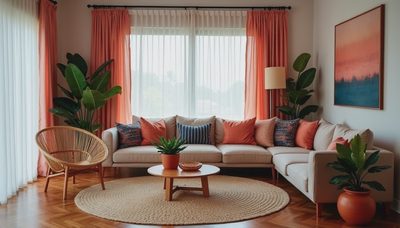
If you have ever wondered what is transitional interior design, picture a room that feels polished without feeling precious. It might have a classic skirted chair beside a clean-lined sofa, an antique wood table under a simple pendant, and curtains that soften the windows without shouting for attention. Transitional design sits comfortably between traditional and contemporary styles, borrowing the best parts of both.
The result is not a showroom. It is a home with room for muddy shoes, bedtime stories, a sleeping cat, and the occasional glass of iced tea left on the coffee table. A soft room is a room that breathes. Let’s make yours exhale.
What Is Transitional Interior Design, Exactly?
The easiest way to understand what is transitional interior design is to think about balance. Traditional rooms often lean on ornament, symmetry, carved details, and historical patterns. Contemporary rooms tend to favor clean shapes, open space, and restrained decoration. Transitional interiors bring those ideas together in a quieter conversation.
A transitional room may include a rolled-arm sofa, but its upholstery is often a simple linen blend rather than a heavily patterned damask. A wood console may have classic proportions while the lamp above it has a crisp ceramic base. The room feels familiar, but not stuck in a particular decade.
This style also relies on editing. Instead of filling every surface with accessories, you choose a few things with useful scale and personal meaning. A landscape painting, a brass bowl, a stack of design books, or a blue-and-white vase can carry more weight when it has space around it.
The goal is timelessness, not blandness. You want a home that still feels like you five years from now, even after a new paint color, a different rug, or a growing collection of family photographs.
The Key Ingredients of Transitional Style
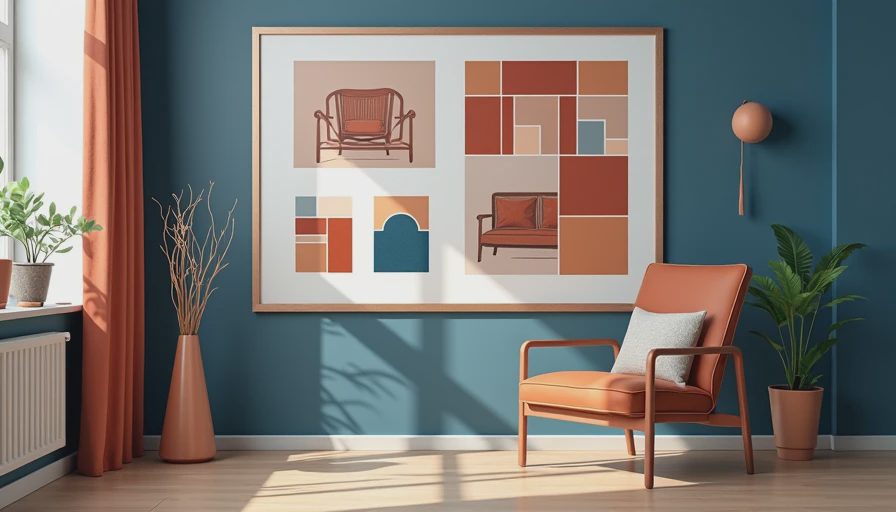
When someone asks what is transitional interior design, I usually start with four ingredients: proportion, restraint, texture, and comfort. These matter more than following a strict shopping list.
Proportion keeps the room from feeling lopsided. Pair a substantial sofa with a coffee table that can hold a tray, books, and feet. If your furniture is delicate, use a rug with enough visual weight to anchor it. In a small room, scale down the pieces without making every item tiny; one generous chair can make the space feel more confident.
Restraint means giving the eye somewhere to rest. You do not need six patterns in a sitting room. Try one quiet stripe, one solid textile, and one small-scale motif instead. Texture then does the work that loud color might do elsewhere. Mix nubby linen, smooth cotton, aged wood, woven baskets, and a little leather.
Comfort is the final test. A beautiful chair nobody wants to sit in is simply an expensive sculpture. Choose cushions with a supportive insert, fabrics that can handle daily use, and tables with enough clearance for real movement.
Color, Fabric, and Pattern Without the Fuss
Transitional palettes often begin with warm neutrals: ivory, putty, mushroom, soft taupe, warm gray, or muted blue. That does not mean every wall must be beige. A deep olive, inky navy, dusty terracotta, or charcoal can add welcome depth when balanced with lighter upholstery and natural wood.
Here is where what is transitional interior design becomes especially practical. Instead of matching everything, repeat a color in small, related ways. A faded blue in the rug can appear again in a throw pillow and a piece of art. The repetitions create rhythm without making the room look coordinated by a computer.
For busy households, fabric selection deserves as much attention as color. Performance linen, washable cotton, and tightly woven indoor-outdoor textiles can be sensible choices for dining chairs and family-room seating. Velvet is surprisingly forgiving of small marks because its pile disguises uneven texture, though it still needs prompt attention after a spill. I prefer fabrics that look better with a little life in them rather than ones that demand museum behavior.
Curtains are another quiet opportunity. Unlined linen lets in a gentle glow, while lined panels provide more privacy and insulation. Hang them high and wide when possible so the window feels larger and the fabric falls in a relaxed, generous line.
How Transitional Design Differs From Other Styles
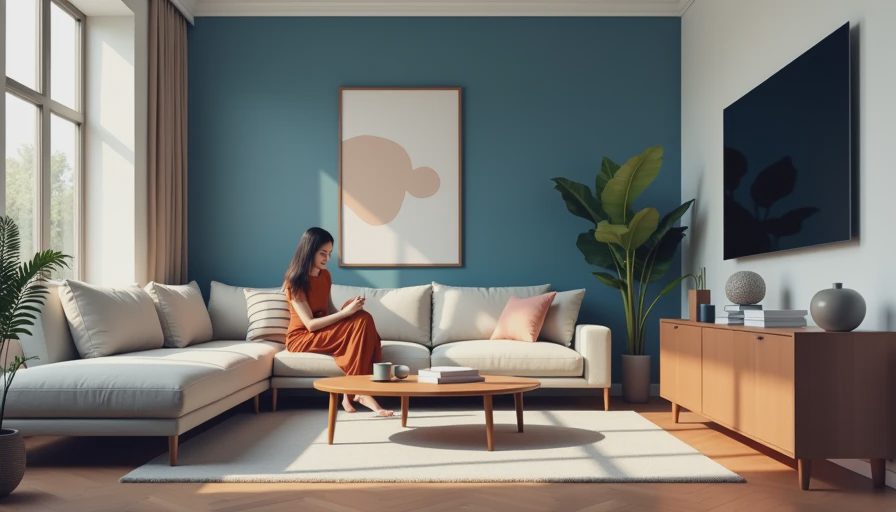
Knowing what is transitional interior design becomes easier when you compare it with nearby looks. Traditional design may feature stronger symmetry, ornate moldings, formal furniture, and clearly historical references. Transitional design can include those elements, but it usually simplifies them.
Modern design often emphasizes stark contrast, geometric forms, and very little decoration. Transitional rooms soften that edge with layered textiles, curved furniture, wood grain, and collected objects. Farmhouse style commonly celebrates rustic finishes, casual upholstery, and country references, while transitional design can feel more tailored and less theme-driven.
It is also different from simply calling a room “eclectic.” Eclectic interiors intentionally combine many periods and visual languages. Transitional rooms usually have a calmer through-line: a limited palette, repeated materials, and furniture that shares a similar sense of proportion.
You can still bring in personality. A vintage mirror, a rattan stool, or a bright piece of artwork will not ruin the style. The question is whether the item joins the room’s conversation or starts an entirely different one.
A Simple Way to Create the Look at Home
Start with the largest decisions: sofa, rug, window treatment, and paint. These pieces establish the room’s scale and atmosphere. If the sofa is contemporary, introduce tradition through a turned-leg side table, a framed botanical print, or a pleated lamp shade. If you have a traditional sofa, balance it with a streamlined coffee table or a modern abstract painting.
Next, layer in textiles. Use a substantial rug to define the seating area, then add two or three pillows in different textures. A lumbar pillow can make a deep sofa more comfortable, while a folded throw keeps the arrangement from feeling too formal. Avoid buying every accessory in one afternoon. The most convincing rooms have a little breathing room and evolve over time.
For a rental, focus on reversible changes: lamps, rugs, curtains, art, and removable wallpaper. In a family home, select an ottoman instead of a sharp-edged coffee table and use washable covers where spills are likely. Good design should support the way you live, not ask your household to become quieter and tidier than it is.
Is Transitional Interior Design Right for You?
If what is transitional interior design sounds appealing, notice what you already reach for. Do you like classic shapes but dislike fussy rooms? Are you drawn to calm colors, natural materials, and furniture that feels comfortable rather than trendy? Do you want a home that can welcome guests on Saturday and handle cereal bowls on Monday? Transitional design may be a natural fit.
It is particularly useful when a house contains mixed eras. A new build can gain warmth from antiques and woven textures. A historic home can feel current with cleaner upholstery, simpler lighting, and less visual clutter. You do not have to erase the architecture or copy a magazine photograph. Let the bones of the home lead, then add pieces that make daily life easier.
Before you buy, stand in the doorway and look at the room as a whole. Ask whether the furniture has enough space to breathe, whether the textiles invite touch, and whether the colors connect from one area to the next. Those small observations will take you farther than a rigid rulebook.
So, what is transitional interior design? It is a thoughtful middle ground: classic enough to feel grounded, current enough to feel fresh, and comfortable enough for real life. Choose quality where your hands land, softness where the room needs quiet, and personality wherever you can. Your home does not need to look perfect. It needs to feel like a place where everyone can exhale.