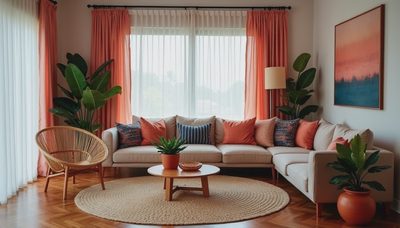
There is something wonderfully grounding about a west elm coffee table in a living room. It gives the sofa a center, offers a landing place for iced tea and picture books, and quietly tells the rest of the furniture where to gather. But choosing the right one is not simply a matter of liking a pretty photograph. Your room, your walking paths, and the small daily chaos of real life all matter.
I have learned this in my own house, where a six-year-old, a cat, and a husband who reads architectural journals on the sofa create a very different room than a showroom. The best table is beautiful at breakfast and forgiving by bedtime. Here is how I would approach the choice before ordering.
Start with the proportions of the room
A coffee table should generally be about two-thirds the length of your sofa, though a little flexibility is perfectly fine. A 90-inch sofa can comfortably pair with a table around 54 to 60 inches long. For a compact apartment sofa, a 36- to 48-inch table often leaves enough breathing room without making the seating arrangement feel undersized.
Measure the distance from the front edge of the sofa to the television console, fireplace, or nearest chair. You want roughly 14 to 18 inches between the table and sofa so legs can pass through and the room does not feel pinched. Leave at least 24 to 30 inches for a main walkway whenever possible. These are not commandments, just useful guardrails for a room that needs to function.
The height deserves equal attention. A table near the height of your sofa seat, usually around 16 to 18 inches, feels relaxed and easy to use. A lower table looks beautifully modern but can become irritating if everyone has to bend too far for a drink. When comparing a west elm coffee table, place a tape measure at the sofa seat and imagine reaching for a mug without leaning forward.

Pick a shape that helps people move
Rectangular tables are natural partners for standard sofas, especially when the room is long and narrow. They provide generous surface area for a tray, lamp book, and a few toys without spreading furniture too widely. A round or oval table is kinder in a room with children because there are no sharp corners at head height. It also softens a space filled with square windows, cabinetry, and a boxy sofa.
A west elm coffee table with a circular top can be particularly helpful in a conversation arrangement with two lounge chairs. People can reach the center from more than one direction, and the shape encourages a less formal gathering. If your sofa has a chaise, measure the open side carefully. A round table may slide comfortably into the available area, while a rectangular version could block the chaise or make the walkway awkward.
Nesting tables offer another practical solution. Separate them when guests arrive, then tuck one beneath the other when Lily’s art supplies or a bowl of popcorn takes over the room. Just be honest about your habits. If you dislike moving furniture, one stable table will serve you better than a clever arrangement that requires constant adjustment.
Consider finish, texture, and everyday wear
Wood brings warmth, but not every wood finish behaves the same way. Light oak and ash can make a small room feel airy and tend to blend with woven baskets, linen upholstery, and painted millwork. Darker walnut tones feel richer and can anchor a pale rug, though dust and crumbs sometimes show more clearly on a deep finish. A west elm coffee table in a warm wood tone is often easier to live with than a stark black piece if your room already has strong contrast.
Glass visually recedes and can help a crowded room feel lighter. It is less forgiving of fingerprints, though, and a glass top is not my first recommendation for a home with young children. Marble or stone creates a lovely substantial moment, but it can be porous, cool to the touch, and vulnerable to etching from citrus or wine. Use coasters, wipe spills promptly, and understand that natural materials develop a record of living.
For a busy household, look closely at edges and corners. A softly rounded profile is more comfortable around knees and makes minor bumps less dramatic. A durable finish does not mean indestructible. Hot dishes, permanent markers, and damp planters can damage even a well-made table, so a tray and a stack of coasters are practical design tools, not clutter.
Style the surface without making it precious
The prettiest coffee tables usually have three kinds of height: something low, something medium, and something with a little vertical interest. Try a shallow tray, a pair of art books, and a small vase filled with branches. The tray gathers remote controls and crayons, while the books add weight and the vase brings softness. Leave a generous portion of the surface open. Empty space is what lets a room breathe.
With a west elm coffee table, I would begin by matching the mood rather than copying a catalog arrangement. A simple oak table can handle a striped ceramic bowl and a nubby linen runner. A sculptural stone table needs less decoration; one beautiful vessel may be enough. If the top has a strong grain or unusual shape, let that feature do the talking.
Keep breakables toward the center and use heavier objects on the bottom of an open shelf. A basket can hold small toys, throws, or the library books that migrate into the living room every week. This is the part where a soft room becomes a real room: the useful things are visible, but they have a home.

Match the table to your seating and rug
Your rug should usually extend beneath at least the front legs of the sofa and chairs. If it floats too far away, the table can look stranded in the middle. A larger rug gives you more freedom with table size, while a small rug calls for a lighter, more compact piece. Before shopping, mark the intended footprint with painter’s tape. It is astonishing how quickly a harmless-looking 48-inch table becomes an obstacle once you add a chair and a toy basket.
If your sofa is deep and cushioned, a solid table with some visual weight will keep the arrangement balanced. If the sofa has a narrow profile or raised legs, a chunky table may feel too heavy. A west elm coffee table with an open base can bridge the two: it gives you useful surface area while allowing more of the rug and floor to remain visible.
Think about color temperature, too. Pairing cool gray upholstery with a warm wood table often makes the room feel more welcoming. If your room already has several wood tones, repeat one of them nearby through a frame, chair leg, or woven basket rather than trying to match every finish exactly.
Make the final choice with a real-life test
Before you buy, ask four plain questions. Can someone walk around it while carrying laundry? Is there room to put down a plate without knocking over the lamp? Will the finish tolerate your preferred cleaning routine? Can you reach the table comfortably from every seat? Those answers are more valuable than a styled photograph.
Check delivery dimensions as well as product dimensions. A large box may not fit through a narrow hallway, elevator, or stair turn even when the finished table would fit perfectly in the room. Measure doorways, and do not forget the path from the front door to the living room. A few minutes with a tape measure can save a surprisingly expensive return.
A west elm coffee table should make the room easier to use, not give you one more object to tiptoe around. Choose the shape that supports movement, the finish that suits your household, and the size that leaves the furniture room to breathe. Then add the everyday layer: the book, the coaster, the basket, and perhaps one slightly crooked drawing from a small person who lives there. That is how a polished room becomes a welcoming one. A soft room is a room that breathes. Let’s make yours exhale.