A wall mounted toilet paper holder is one of those small bathroom decisions that quietly changes the whole room. When it is placed well, the roll sits exactly where a hand expects it, the floor stays clear, and the wall feels considered rather than forgotten. When it is too loose, too shiny, or awkwardly close to the vanity, you notice it every single day. I have learned that the prettiest bathrooms are rarely about expensive fixtures. They are about small choices that make ordinary routines easier.
Start with placement, not the finish
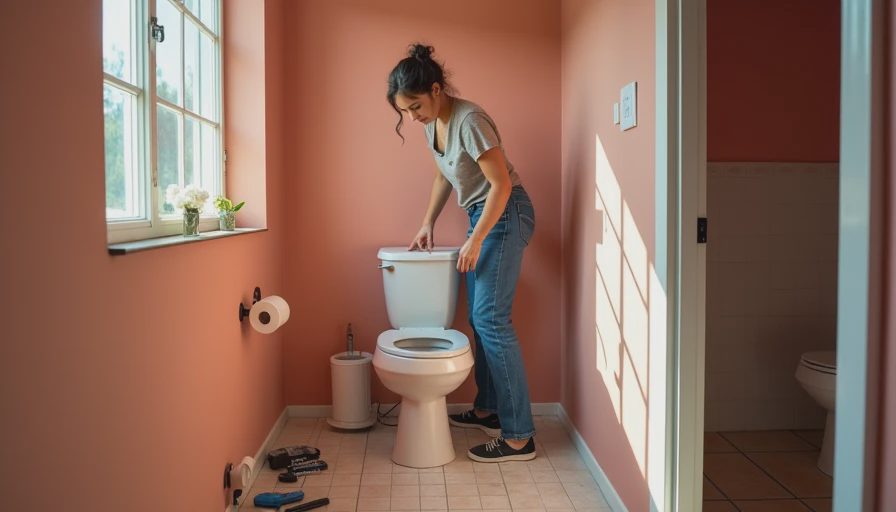
Before you fall for brushed brass or a handsome matte black version, sit on the toilet and look around. That is the unglamorous but useful test. A wall mounted toilet paper holder should be reachable without twisting your shoulder or leaning forward. In many bathrooms, placing the center of the holder about 8 to 12 inches in front of the bowl and roughly 26 inches above the floor creates a comfortable starting point. Existing plumbing, trim, and accessibility needs can change that arrangement, so treat those measurements as a guide rather than a commandment.
Check the swing of the bathroom door, too. I once helped with a powder room where the door clipped the holder every time it opened. The hardware was beautiful, but beauty did not make the daily thump less annoying. Mark the proposed location with painter's tape for a day. Let everyone use the room normally, including the child who reaches for the roll with one hand while holding a bath toy in the other. That little test can save you from unnecessary holes in the tile.
Match the holder to the room's visual language
A wall mounted toilet paper holder does not need to match every metal in the bathroom perfectly. It does need to belong. If your faucet is warm brushed brass, a champagne bronze holder can feel related without looking like a showroom set. Chrome works beautifully with traditional white tile and is especially forgiving in a busy family bathroom because it is easy to wipe clean. Matte black gives simple beadboard or pale porcelain a bit of punctuation, but too much black hardware can make a small room feel visually crowded.
Look at the shapes already present. A rounded faucet and oval mirror usually welcome a holder with gentle curves. Square cabinet pulls and a rectilinear mirror can support a clean, angular design. In a historic home, a simple polished chrome arm may feel more natural than an oversized industrial fixture. The goal is not to create a matching set from one catalog. It is to repeat one or two quiet ideas so the room feels collected.
I also consider the finish under real lighting. Warm bulbs can make yellow-toned brass glow beautifully, while cool LEDs may emphasize a gray cast. Bring a finish sample, or at least compare product photographs with your actual tile during both morning and evening light.
Choose the right mounting style
There are three common formats: a spring-loaded bar, an open-ended arm, and a pivoting holder. The classic spring-loaded bar is inexpensive and familiar, but the internal spring can become fussy over time. An open-ended arm lets you replace the roll with one hand, which is a small luxury when you are holding a toddler's towel or trying not to interrupt a bath. A pivoting holder has a tidy appearance and keeps the roll captured, though some pivots are stiff enough to frustrate children.
For a rental, look for a tension-mounted or adhesive option designed for bathroom humidity. These can be useful when drilling is not allowed, but read the weight and surface instructions carefully. Textured tile, damp plaster, and dusty painted walls are poor partners for adhesive. For a permanent installation, a screw-mounted wall mounted toilet paper holder is generally the steadier choice. Use anchors appropriate for the wall material, and do not rely on a tiny screw driven into drywall alone.
Think about the roll you actually buy
Not every holder welcomes every roll. Oversized quilted paper, double rolls, and recycled-paper brands can be noticeably wider than a standard roll. Measure the diameter of the largest package you regularly bring home, then compare it with the holder's clearance. A compact design that looks refined in a photograph may leave the roll rubbing against the wall or refuse to turn freely.
An open arm is especially practical if your household buys bulk packs from a warehouse club. You can slide on a new roll quickly, and there is less hardware for little fingers to operate. If you prefer a covered or pivoting style, make sure the arm lifts high enough and swings completely clear. Small details matter here: a roll that will not spin smoothly becomes a daily tug-of-war.
This is also where spare-roll storage enters the conversation. If the holder sits far from a cabinet, add a slim basket or a small freestanding reserve nearby. It is nicer than balancing extra rolls on the back of the toilet, and it keeps the main wall mounted toilet paper holder from carrying more visual responsibility than it should.
Make installation feel intentional
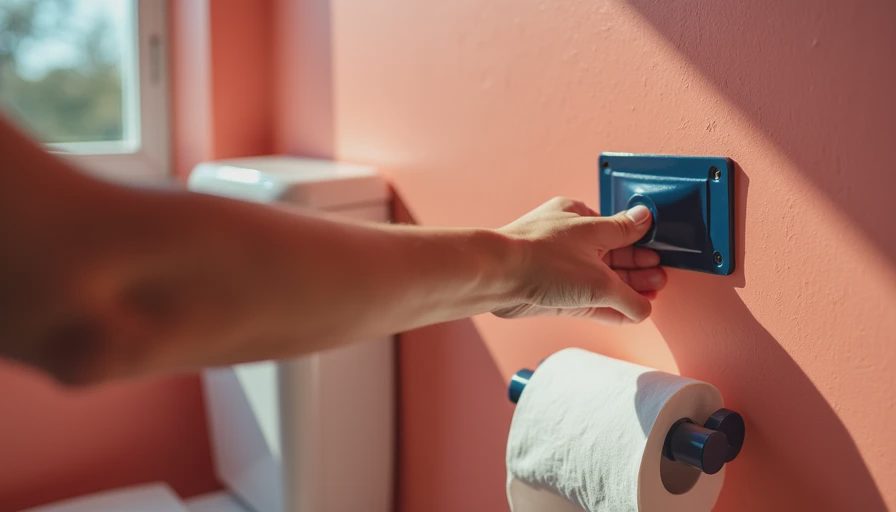
The hardware should sit level, secure, and aligned with nearby details. Use a level before tightening anything, even if the holder looks straight in your hand. On tile, mark the holes with painter's tape and use a tile-rated bit; start slowly so the bit does not wander or crack the surface. If you are drilling into a stud, use the supplied screw only when its length suits the material. If there is no stud, choose a proper hollow-wall anchor rather than guessing.
Keep a small tube of matching touch-up paint or caulk nearby for minor wall marks. In a powder room with wallpaper, consider whether the mounting plate can be placed over a seam. A holder that is easy to remove later is kinder to the paper and easier to maintain. For renters, ask the property manager before drilling, and choose an adhesive product only after cleaning and drying the surface thoroughly.
Take five minutes after installation to test the roll from a seated position. Does the paper tear cleanly? Does the holder wobble? Can you lift the arm with one hand? This is the practical inspection that product photography cannot perform for you.
A simple way to make the bathroom feel finished
Once the holder is installed, resist the urge to fill every empty corner. A folded hand towel, a washable runner, and one small piece of art usually do more than a collection of decorative objects. In our house, the bathroom has a cat-shaped scratch on the door trim and a basket that is never quite straight. It still feels pulled together because the useful things have a clear home.
A wall mounted toilet paper holder is a modest purchase, often ranging from about $15 for a basic chrome model to $80 or more for solid brass or designer hardware. Spend according to how long you expect to live with it and how demanding the room is. For a busy family bath, a sturdy finish and easy one-handed loading are worth more than a delicate silhouette.
Before ordering, measure the wall, check the roll clearance, compare the finish beside your faucet, and read the mounting instructions. That short checklist turns a decorative impulse into a choice you will appreciate at 7 a.m. and midnight alike. A soft room is a room that breathes. Let us make yours exhale.