
When someone asks me about vinyl tile or laminate, I usually ask a gentler question first: where will this floor live, and what will it have to survive? A kitchen with a leaky dishwasher needs a different answer than a sunny guest room or a hallway where muddy shoes collect. Both materials can look lovely, but their construction, comfort, maintenance, and tolerance for everyday mishaps are not quite the same.
The short version is this: vinyl is usually the more practical choice for moisture and hard use, while laminate often brings a convincingly wood-like appearance and a firmer, more substantial feel underfoot. Neither is automatically better. The right floor is the one that supports your actual routines instead of asking your family to tiptoe around it.
How vinyl tile and laminate are made
Vinyl flooring is made from layers of resilient synthetic material. Depending on the product, you might see luxury vinyl tile, often called LVT, or luxury vinyl plank, commonly called LVP. The printed design sits beneath a clear wear layer, and the core may be flexible, rigid, or waterproof. Vinyl tile can imitate limestone, encaustic tile, oak, or painted wood without requiring the maintenance those materials sometimes bring.
Laminate uses a dense fiberboard core, a printed decorative layer, and a protective top surface. Modern versions can reproduce oak grain, walnut color, or aged pine with impressive detail. The boards generally lock together over a level subfloor, creating a floating floor that does not need to be nailed or glued down.
That difference matters. Vinyl feels a little softer and warmer than ceramic tile, particularly over a suitable underlayment. Laminate feels more like a hard wood surface: stable, crisp, and slightly hollow if installed without good acoustic padding. When comparing vinyl tile or laminate, look beyond the sample photograph and pay attention to the core, wear layer, edge treatment, and installation requirements.

Where each flooring option works best
For bathrooms, laundry rooms, mudrooms, and kitchens, I tend to favor vinyl. A quality waterproof product can handle splashes, damp towels, and the occasional bowl of water tipped by a determined cat. It is still important to wipe standing water and seal vulnerable transitions, but the material itself is less anxious around moisture.
Laminate can work beautifully in living rooms, bedrooms, offices, and dining spaces where spills are quickly cleaned. Some newer products have water-resistant construction, but water resistance is not always the same as waterproofing. Read the manufacturer’s specifications rather than relying on a display label. If your household includes a toddler who treats every cup as an experiment, vinyl tile or laminate usually makes more sense in a room-by-room plan than as a single whole-house decision.
Think about sunlight, too. Strong direct light can affect the color of either product over time, although quality floors typically include protective finishes. Window coverings, rugs with breathable backings, and thoughtful furniture placement can help keep the room from developing obvious patches of fading.
Comfort, sound, and the feeling of a room
The floor is one of the largest surfaces in a home, so it changes more than the way you walk. It changes the way the room sounds. Laminate can produce a sharper click under shoes, especially when installed over a hard subfloor. A high-quality underlayment reduces some of that noise and gives the boards a more finished feel.
Vinyl is generally quieter and has a little give beneath the foot. That is welcome in a kitchen where you stand to chop vegetables or in a playroom where small bodies spend hours on the floor. I still add a washable runner near the sink and a soft rug in a reading corner. Resilient flooring is not a substitute for softness; it is simply a forgiving foundation.
For bedrooms, I often choose the option that works with the textiles already in the room. A wool rug, linen drapery, and upholstered headboard can make either material feel warm. Without those layers, laminate may feel more formal, while vinyl can feel more casual. Neither impression is permanent. Color, pattern, trim, and lighting do plenty of the emotional work.
Comparing cost and installation
Material prices vary widely, but a practical planning range is roughly $2 to $7 per square foot for many vinyl products and about $1.50 to $6 for common laminate, before installation. Premium collections, specialty patterns, floor preparation, demolition, and trim can push the project much higher. Installation may add approximately $2 to $8 per square foot, depending on the room and labor market.
Laminate is often approachable for a confident do-it-yourself installer because click-lock boards can be laid over a prepared surface. Vinyl click flooring offers a similar path, while glue-down vinyl tile requires more precision. The subfloor must be clean, dry, and level; a beautiful new floor cannot disguise dips and humps for long.
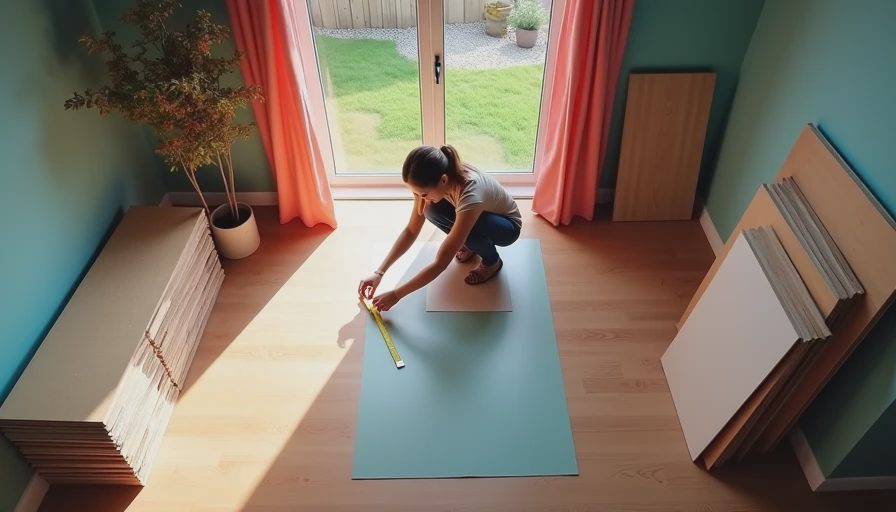
Before buying, measure the room and add at least 5 to 10 percent for cuts and future repairs. Keep a sealed box in a closet or attic only if that storage area stays within the manufacturer’s temperature recommendations. A replacement plank from the same dye lot can save a great deal of frustration years later.
Cleaning, scratches, and real family wear
Both materials are easier to live with than many homeowners expect. Sweep or vacuum with a hard-floor setting, then use a damp—not soaking—mop and the cleaner recommended for the finish. Avoid steam mops unless the manufacturer specifically approves them. Excess heat or moisture can damage the surface or seams.
Vinyl usually handles chair legs, pet claws, and dropped toys with a forgiving attitude, although its wear layer still matters. Laminate resists everyday abrasion well, but chipped edges and swollen seams can be difficult to repair after water reaches the core. Felt pads under dining chairs, entry mats, and a no-shoes basket do more for longevity than an expensive cleaning product.
When choosing vinyl tile or laminate for a busy home, bring home samples and test them. Put one near a sunny window, another beneath a dining chair, and a third where your dog or cat tends to pass. Live with them for several days. The floor that looked perfect online may suddenly feel too gray, too glossy, or too busy beside your sofa.
My practical recommendation
Choose vinyl when moisture, easy cleanup, quiet walking, or flexible room use is the priority. It is especially sensible for kitchens, bathrooms, laundry areas, and homes where muddy paws and juice spills are part of the weekly rhythm. Choose laminate when you want a crisp wood appearance, a firmer step, and a budget-friendly surface for dry rooms.
If you are still torn, use the two materials strategically rather than forcing one answer everywhere. Vinyl can carry the kitchen and entry, while laminate gives bedrooms and a living room the warmer wood-floor impression you want. Transition strips and a consistent color family will help the home feel intentional.
The best flooring decision is not the one that photographs most dramatically on installation day. It is the one that still looks good after breakfast spills, a hurried vacuum, and a long Saturday with children underfoot. Compare vinyl tile or laminate with those ordinary moments in mind, and the choice becomes much clearer. A soft room is a room that breathes. Let’s make yours exhale.