The first apartment book: cool design for small spaces is the sort of guide I wish every young renter had before bringing home a too-large sofa and three bags of decorative pillows. Your first apartment does not need to look finished on move-in day. It needs to hold your coffee, your shoes, your friends, and the slightly chaotic business of becoming yourself. With a few thoughtful choices, even a narrow rental can feel warm, useful, and wonderfully personal.
Start with the room you actually have
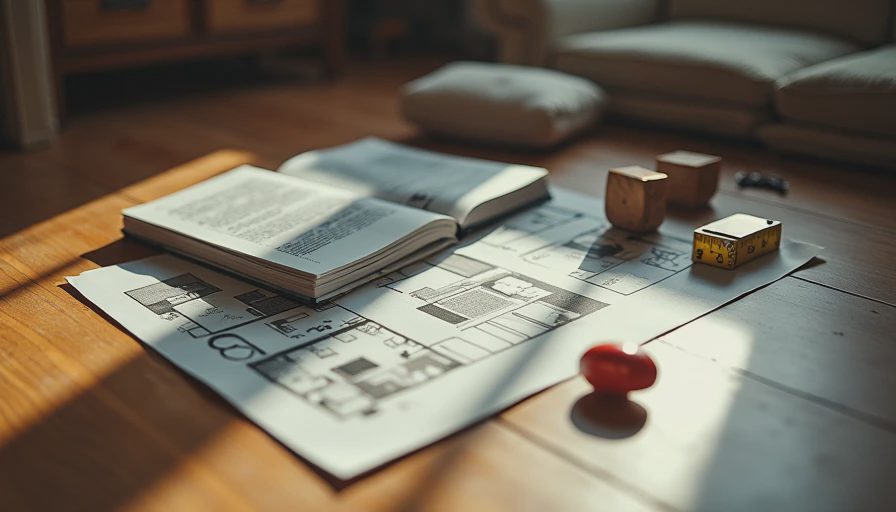
Before buying anything, spend one quiet evening measuring. Record the length and width of each room, the height of the ceiling, the distance between windows, and the narrowest point between the front door and the living area. Take photographs from each corner. This little exercise prevents expensive mistakes, especially when an online sofa looks petite but arrives with a 38-inch depth.
The first apartment book: cool design for small spaces treats measurements as a beginning rather than a restriction. A 72-inch sofa can be more comfortable than a sectional in a studio, and a round dining table often allows better movement than a square one. Leave at least 30 inches for a main walkway when you can. If that is impossible, create one clear path instead of scattering furniture everywhere and asking your guests to perform a sideways shuffle.
Choose two or three priorities for each room. In a living room, yours might be reading, watching movies, and hosting dinner. That list tells you what deserves floor space. A slim floor lamp could matter more than a second accent chair. A storage ottoman might earn its keep every single evening.

Make small rooms feel taller and calmer
The easiest way to give a compact room breathing room is to keep the eye moving upward. Hang curtain rods several inches above the window frame, then use panels that reach the floor. Even inexpensive cotton or cotton-linen curtains can soften a rental and make the ceiling feel more generous. Mount the rod close to the ceiling if the landlord allows it, or use removable hardware designed for lighter panels.
Mirrors help, but placement matters. A large mirror across from a window can bounce daylight into a darker corner. A narrow leaning mirror near the entry gives you a useful last glance before leaving while visually extending the wall. Avoid covering every surface with reflective objects; one generous mirror usually feels calmer than a collection of tiny ones.
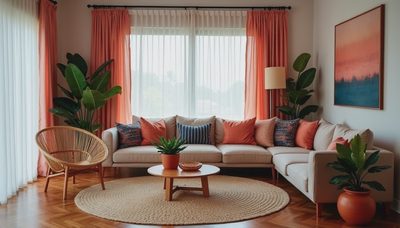
The first apartment book: cool design for small spaces favors low visual clutter, not a room drained of personality. Choose one wall color, one wood tone, and a small group of repeated colors. A rug with a quiet pattern can connect mismatched furniture. Blue, rust, olive, and cream work beautifully together without making a rental feel themed. Repeat a color in a pillow, a piece of art, and a small vase, then let the rest of the room rest.
Buy fewer pieces with more than one job
Small-space furniture should work hard. A drop-leaf table can serve as a desk during the week and a dinner table on Saturday. A storage bench at the foot of the bed can hold extra linens, while a narrow console behind the sofa creates a landing place for keys and a table lamp. Look for beds with drawers, nesting tables, and stools that tuck under a counter.
This is where The First Apartment Book: Cool Design for Small Spaces offers its most useful lesson: do not confuse compact with flimsy. A well-made 30-inch round table may last through several homes, while a cheap folding table can wobble after a few months. Check the weight, joinery, and return policy. Solid wood, powder-coated metal, and washable performance fabrics generally age more gracefully than glossy particleboard and delicate boucle.
Think about the objects you use every day. If mail lands on the kitchen counter, add a small tray. If shoes pile up beside the door, choose a slim cabinet or two sturdy baskets. Design is not just what photographs well. It is the quiet solution that keeps the same mess from returning tomorrow.
Layer softness without losing floor space
A soft room is a room that breathes. Let's make yours exhale. Start with the largest textile: usually the rug or curtains. In a living room, a rug that is too small can make the furniture look stranded. If a large rug is outside your budget, place the front legs of the sofa and chairs on a medium-size rug, then add a smaller washable mat near the entry.
For upholstery, look beyond a showroom swatch. Rub the fabric between your fingers. Sit on it. Ask how it cleans. Performance velvet can be surprisingly forgiving, while some loose weaves catch cat claws and young children's snack crumbs. Linen wrinkles beautifully, but it is not a magic stain shield. In my own house, our most loved chair has a faint mark from a cup of iced tea and still looks perfectly at home.
The first apartment book: cool design for small spaces does not ask you to live in a beige box. Add softness with a cotton throw, a lumbar pillow, and a washable runner rather than filling every chair with cushions. One patterned textile is often enough to wake up a quiet room. Keep the palette related, and let texture do the talking.
Give every awkward corner a purpose
The space beside a refrigerator, the wall behind a door, and the empty strip beneath a window are not necessarily wasted. A 10-inch-deep shelf can hold cookbooks and spices. A peg rail can organize bags, hats, and dog leashes. A shallow picture ledge can display art without taking the floor space required by a bookcase.
For a bedroom without a proper entry, place a narrow dresser just inside the door. It can hold socks, linens, or paperwork and create a visual transition between sleeping and living areas. If you work from home, a wall-mounted desk can disappear beneath framed art when the workday ends. Add a chair that is comfortable enough for an hour of typing but attractive enough to live at the dining table.
The first apartment book: cool design for small spaces encourages you to solve problems in order. First improve circulation. Then add storage. Then bring in decoration. A pretty basket cannot fix a blocked doorway, but it can make the corrected arrangement feel finished.
Make the apartment yours slowly
The most inviting first apartments are rarely decorated in one weekend. They gather evidence of a life: a framed postcard, a thrifted bowl, a lamp found at a yard sale, and the blue mug that somehow becomes everyone's favorite. Leave some walls empty until you find art that gives you a genuine little tug.
Set a monthly decorating amount, even if it is only $40. One month might go toward curtain panels; the next could cover a better lamp or a pair of pillow covers. Compare the cost of replacing a tired item with the cost of improving it. A $20 lampshade can rescue a solid thrift-store base, and a local upholstery shop may replace a worn seat cushion for less than a new chair.
The first apartment book: cool design for small spaces is not really about copying a perfect room. It is about learning to notice what your home asks for. Give the sofa a little breathing room, put a lamp where evening shadows gather, and choose fabrics that can survive ordinary living. Your apartment will become beautiful because it supports you, not because it performs for a photograph.
Start with one corner this week. Measure it, clear it, soften it, and give it a job. Then sit there with your coffee and see what the room says next.