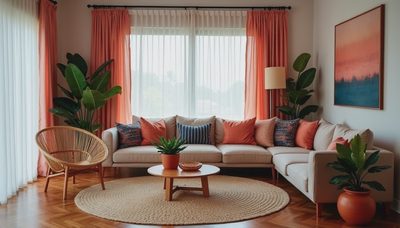
Learning how to determine square feet is one of those small home skills that saves money, prevents ordering mistakes, and makes a design project feel much less intimidating. Whether you are measuring a living room for a rug, estimating flooring, or figuring out how much grasscloth belongs on one wall, the basic idea is wonderfully simple: measure the space, multiply length by width, and keep your units consistent.
You do not need a drafting table or a very serious calculator. A tape measure, a pencil, and a scrap of paper will do beautifully. I keep a soft measuring tape in the junk drawer because houses rarely have perfectly cooperative corners, especially old ones like mine.
The basic square-foot formula
The most useful formula is length multiplied by width. If a rectangular room is 12 feet long and 10 feet wide, multiply 12 by 10 to get 120 square feet. That number describes the floor area, not the distance around the room. This distinction matters when you are buying carpet, hardwood, tile, or a large area rug.
For a room measured in feet, write the dimensions as 12 feet by 10 feet, then calculate 12 x 10 = 120 square feet. If your tape measure shows inches, convert those inches before calculating. For example, a room that is 11 feet 6 inches long is 11.5 feet. A room that is 9 feet 6 inches wide is 9.5 feet, so 11.5 x 9.5 equals 109.25 square feet.
When learning how to determine square feet, write down every measurement instead of trusting memory. A number scribbled beside a quick sketch can save you from confusing the dining room width with the hallway length later.
Measuring an ordinary rectangular room
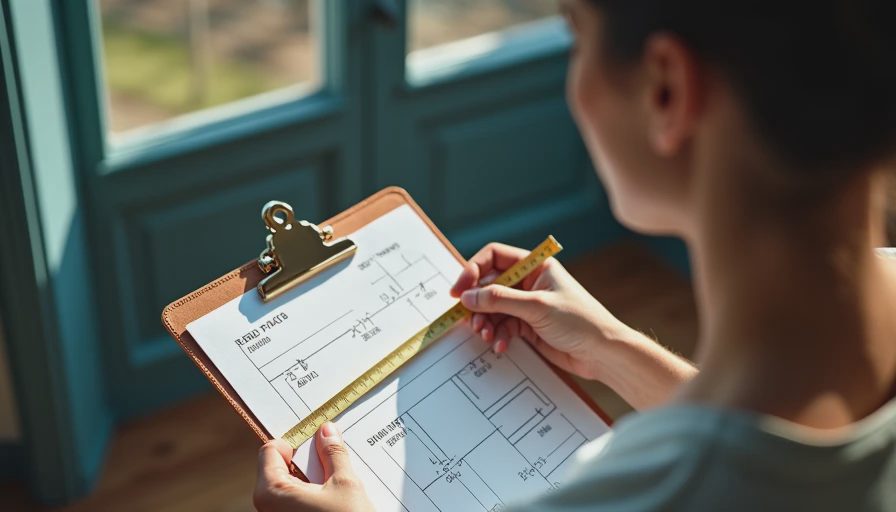
Start in one corner and measure straight across the longest wall. Measure from finished wall to finished wall, not from the baseboard edge if the trim projects noticeably. Then measure the room’s width at a right angle. Take each measurement twice, particularly in an older home where walls can wander a little.
If the room has a closet, decide whether the closet is part of the project. For flooring, you may want to include it. For an area rug, you almost certainly will not. A 12-by-10-foot bedroom with a 2-by-4-foot closet included has 128 square feet. Without the closet, the main room has 120 square feet. That eight-square-foot difference can affect a flooring order, but it does not change the size of the rug you place beneath the bed.
For a practical flooring estimate, add extra material for cuts and future repairs. Many flooring projects allow roughly 5 to 10 percent overage, while a complicated pattern or diagonal installation can require more. The installer or flooring supplier should confirm the appropriate amount for your material.
What to do with an L-shaped room
Not every room arrives as a tidy rectangle. For an L-shaped family room, divide the floor into two or more rectangles. Measure each section separately, calculate its area, and add the results together. Suppose one rectangle is 12 by 10 feet, or 120 square feet, and the second is 6 by 5 feet, or 30 square feet. The total is 150 square feet.
This approach also works for rooms with a breakfast nook, angled entry, or a little reading corner. Draw the shape on paper and label each rectangle. The drawing does not need to be beautiful; mine often looks like something Lily made while waiting for pancakes. It only needs to show which lengths belong together.
Do not count the same section twice where the rectangles meet. That is the most common error I see. Imagine a line dividing the room into clean pieces, then calculate each piece once. If the shape has many angles, a flooring professional can verify your measurements before you place a costly order.
Square feet for rugs, paint, and tile
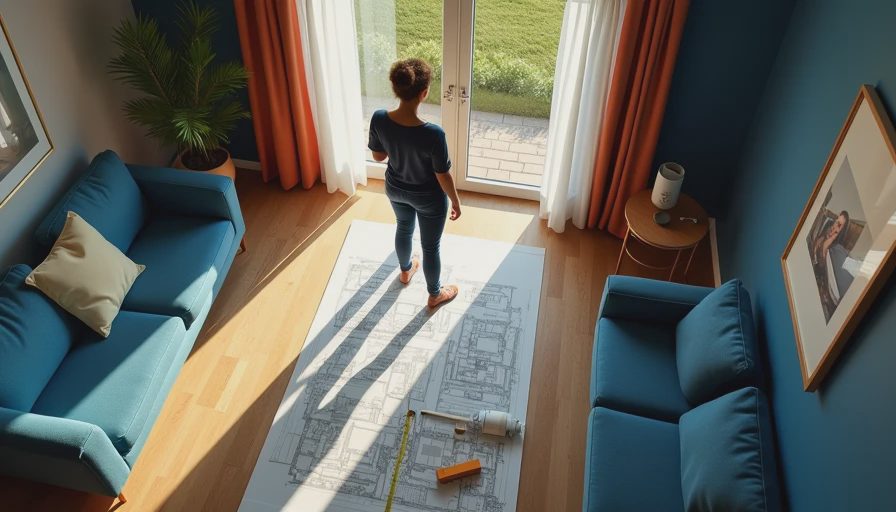
The right measurement depends on what you are buying. For a rug, measure the open area where the rug will sit and consider furniture placement. A living room rug might be 8 by 10 feet, giving you 80 square feet, but the goal is not to cover every inch of floor. The front legs of a sofa and chairs should usually rest on the rug so the seating area feels connected.
For wall paint, calculate wall area rather than floor area. Multiply each wall’s width by its height, then add the walls together. Subtract large doors and windows if you want a tighter estimate. A 12-foot wall with an 8-foot ceiling contains 96 square feet. Four similar walls would total 384 square feet before deductions. Paint labels explain their approximate coverage, but two coats, textured walls, and darker colors can change the amount needed.
Tile requires careful planning around grout lines, cuts, and pattern direction. Calculate the floor area first, then add the recommended waste allowance. Keep a few spare tiles after installation for future chips or repairs, particularly in kitchens and entryways where life tends to happen loudly.
Converting inches and feet correctly
The easiest way to avoid conversion trouble is to measure everything in inches, multiply, and divide by 144. There are 144 square inches in one square foot. A surface that measures 36 inches by 48 inches is 1,728 square inches. Divide 1,728 by 144, and the result is 12 square feet.
You can also convert each measurement to decimal feet. Twelve inches equals one foot, six inches equals 0.5 feet, and three inches equals 0.25 feet. Thus, 8 feet 3 inches becomes 8.25 feet. Avoid treating 8 feet 3 inches as 8.3 feet; inches are not tenths of a foot. That small-looking mistake can grow when you are ordering hundreds of square feet of flooring.
A phone calculator is perfectly fine, but keep the original measurements nearby. If the final number looks surprisingly high or low, check the units before assuming the room is unusual.
A calm measuring routine that works
When figuring out how to determine square feet, clear the floor first so furniture does not bend the tape or hide a bump in the wall. Measure the length and width at least twice. Note doors, fireplaces, built-ins, stairs, and openings that change the shape. Sketch the room, label every section, and write whether each number is in feet, inches, or decimal feet.
Next, calculate the area of each section separately. Add the sections, subtract areas that will not receive the material, and add a sensible waste allowance if you are ordering flooring, tile, wallpaper, or fabric. Save the final sketch in your project folder. Six months from now, you will be grateful not to measure behind the bookcase again.
For window treatments, remember that square footage is only part of the conversation. Drapery fullness, return dimensions, pattern repeats, and mounting height matter just as much as the wall size. Fabric is not sold like paint, and a beautiful linen can become an expensive mistake when the repeat has not been considered.
Final checks before you buy
The short answer to how to determine square feet is length times width, with irregular spaces divided into smaller rectangles. The more useful answer is to measure for the actual project, not just the room. A rug needs furniture context. Flooring needs waste allowance. Paint needs wall dimensions. Tile needs cuts and spares.
Before ordering, compare your measurements with the product’s coverage information and confirm whether the seller recommends extra material. If you are working with a pattern, specialty fabric, or a historic room with crooked walls, send the sketch to a designer or installer. A few minutes of review can prevent a second trip, a mismatched dye lot, or a roll of wallpaper that ends two inches short.
Measure kindly, leave yourself a little breathing room, and do not worry if the first sketch is imperfect. A soft room is a room that breathes. Let’s make yours exhale.