Bathtub decorating can make the difference between a bathroom that feels merely functional and one that welcomes you in at the end of a long day. I am not talking about filling every ledge with matching accessories or creating a tub so precious nobody can use it. The best rooms balance beauty with toothpaste splatters, bath toys, damp towels, and the occasional cat investigating the bath mat. A soft room is a room that breathes. Let’s make yours exhale.
Start With the Tub’s Natural Shape
Before buying anything, look closely at the bathtub itself. A freestanding slipper tub has a strong, sculptural presence, so it usually needs only a quiet stool, a washable mat, and perhaps a single piece of art nearby. A built-in alcove tub calls for a different approach. Its surrounding wall, shower curtain, tile, and storage become part of the composition.
For bathtub decorating, think in layers rather than a shopping list. Begin with the largest visual element: the curtain, wall color, tile, or tub surround. Then add one or two functional pieces that support it. If the tub is white and the room is small, warm it with soft clay, oat, pale blue, or moss green rather than piling on more white. In a larger bathroom, a patterned curtain can provide the same grounding effect as drapery in a bedroom.
The goal is to make the tub feel connected to the rest of the house. If your hallway has walnut frames and brass picture lights, a cold chrome-and-gray bathroom may feel like it belongs to someone else. Repeat one finish or color from an adjoining room, and the transition becomes much gentler.
Choose Textiles That Can Handle Real Life
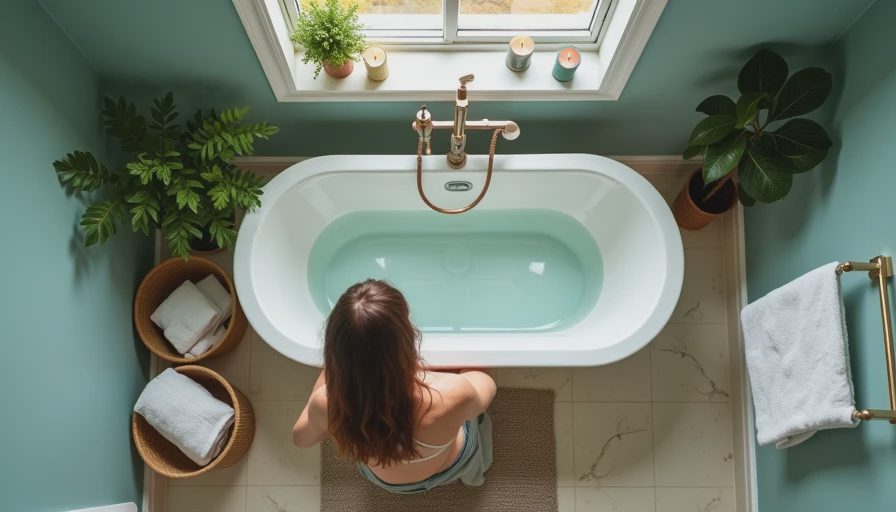
Textiles are where a bathroom gets its softness, but they have to earn their place. A thick cotton bath mat feels wonderful underfoot, yet a very high pile can stay damp in a poorly ventilated room. Look for a mat that dries quickly and can go into the washing machine. Flat-woven cotton, washable chenille, and tightly woven Turkish-style towels are practical choices for busy households.
When bathtub decorating includes a shower curtain, pay attention to the fabric’s weight. A thin polyester curtain can cling to your legs and make the whole room feel temporary. A lined cotton or linen-blend curtain hangs with more authority. I like a simple white liner behind a fabric curtain because it keeps the decorative layer cleaner and makes replacing the liner inexpensive.
Pattern is welcome, especially when the walls are quiet. Small checks, narrow stripes, block prints, and botanical motifs tend to age more gracefully than a loud novelty pattern. For a family bathroom, choose colors that disguise a little water spotting. Cream, faded blue, olive, and terracotta are forgiving without looking muddy.
Add a Small Seat or Stool
A stool beside the tub is one of those pieces that looks decorative in a photograph and becomes indispensable in daily life. It holds a book, clean pajamas, a glass of water, or the bath toys you are trying not to step on. In a compact bathroom, choose a narrow wooden stool no wider than the tub’s end. In a larger room, a low woven bench can bring in texture and provide a place to sit while helping a child wash their hair.
For bathtub decorating, the material matters as much as the silhouette. Teak and sealed hardwood handle occasional splashes better than unfinished wood. A painted stool can work beautifully, but check that the finish is suitable for humid spaces and wipe away standing water. Metal stools can feel sleek, though they often introduce a cooler note. If your tile is glossy and your fixtures are polished, a warm wood seat will keep the room from feeling overly hard.
Do not crowd the tub. Leave enough room to clean around the piece and to move safely when the floor is wet. The prettiest bathroom accessory is still a nuisance if everyone has to shuffle sideways to reach the toilet.
Use Lighting to Change the Mood
Overhead lighting alone is rarely kind to a bathtub. It can be useful for cleaning, but it flattens the room and creates harsh shadows. If possible, add a dimmable ceiling fixture or a wall sconce near the vanity, then let the tub area borrow that softer light. A small rechargeable lamp on a shelf can create a lovely evening glow, but keep any electrical item well away from splash zones and follow the manufacturer’s safety instructions.
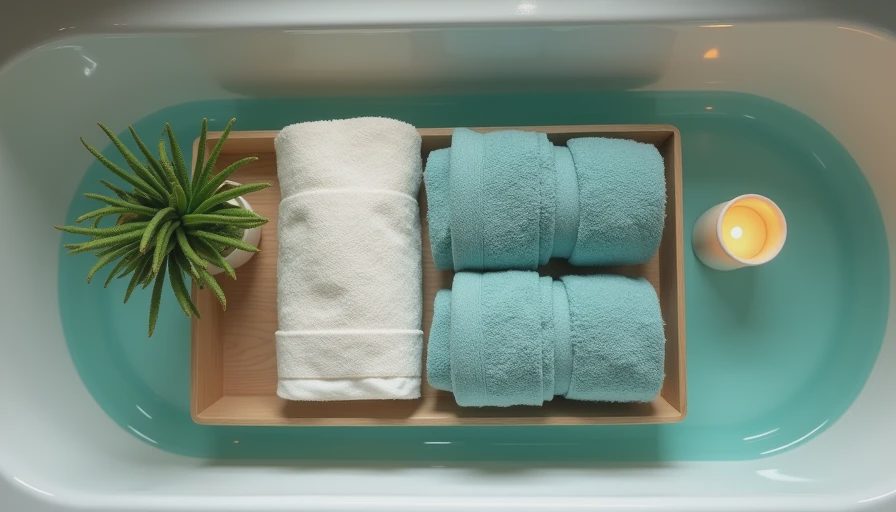
Candlelight is charming, although real candles should never be left unattended. Flameless candles offer the same flicker without an open flame, particularly helpful in homes with children or curious pets. A glass hurricane placed on a stable, dry surface can make the arrangement feel intentional rather than improvised.
Good bathtub decorating does not require a dramatic chandelier. Sometimes changing a cool bulb to a warm white bulb and adding a dimmer does more for the room than a cart full of accessories. Aim for a relaxed glow that makes the bath feel separate from the morning rush.
Make Storage Part of the Design
Clutter is usually what makes a bathroom feel unsettled. The answer is not always more cabinetry; it is often better landing places. A shallow tray on the tub ledge can corral soap, a small bottle of bath oil, and a washcloth. A lidded basket can hide spare toilet paper or bath toys. Open shelving works well for neatly folded towels, but only if you are willing to keep the stacks reasonably tidy.
For a rental, adhesive hooks and a slim over-the-door organizer can provide useful storage without permanent changes. In a renovated bathroom, a recessed niche near the tub keeps products off the floor and makes cleaning easier. Use matching bottles only for products you actually use. Decanting every shampoo and bubble bath in the house is not a requirement for a beautiful room.
With bathtub decorating, restraint is a form of comfort. Keep the daily essentials within reach and move the rest into a cabinet or basket. The room will feel calmer because the eye has somewhere to rest.
Finish With One Personal Detail
The final layer should tell us something about the people who live there. Hang a small framed landscape above the towel bar, place a favorite shell on a dry shelf, or choose a striped towel in the color your child always reaches for. Avoid irreplaceable artwork directly beside a steamy tub, but do not make the room so cautious that it loses its personality.
A framed family photograph can work in a powder room, while a washable textile print may be better suited to a busy full bath. Plants are lovely if they receive enough light and the room has ventilation. A small fern or pothos can add life, but skip a plant that will be miserable in a dark, chilly corner.
The most successful bathtub decorating feels collected rather than completed in one afternoon. Live with the room for a week. Notice where towels land, which products everyone grabs, and whether the mat dries properly. Then adjust. Move the stool, remove the unnecessary tray, or add a hook where the robe keeps ending up.
A Simple Weekend Refresh
If you want a quick change, start by washing the shower curtain and bath mats. Clear the tub ledge, wipe the fixtures, and remove anything that has expired or gone untouched for months. Next, bring in one useful textile, such as a substantial bath mat or a pair of oversized towels. Add a wooden stool or basket only if the room has space for it.
Choose one color to repeat three times: perhaps blue in the curtain, hand towel, and small art print. Replace a stark bulb, prune an unhappy plant, and put daily products in a tray. These modest moves create more impact than buying a complete matching set.
Bathtub decorating is ultimately about making ordinary rituals feel cared for. Your bathroom does not need to look like a hotel or a catalog. It needs a place for the towel, enough light to wash a child’s hair, and a little beauty waiting when the day finally quiets down. That is the kind of room worth coming home to.