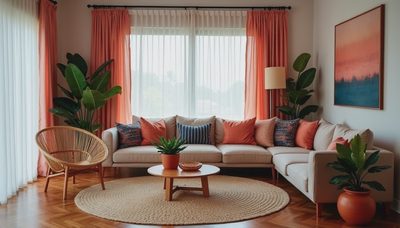
There is something wonderfully settled about a barrister bookcase. It brings height, history, and a little bit of old-house character to a room without asking you to make the whole space feel formal. I love one in a living room, a home office, or even a wide upstairs landing where ordinary storage would look a bit lost. The right barrister bookcase can hold books, framed photographs, board games, and the small things that make a home feel lived in.
Why a barrister bookcase still works in a modern home
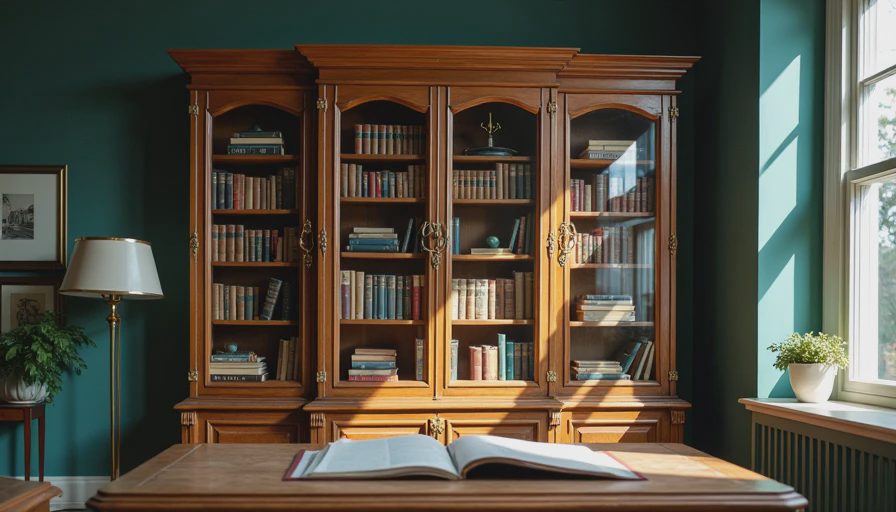
The original appeal is practical. These stacked wooden sections were designed to protect books with glass-fronted doors, so they offer storage that is both visible and contained. That combination is especially useful in a family home. You can see the pretty things, while puzzles, paperbacks, and the occasional collection of toy animals stay behind a layer of glass.
A barrister bookcase also has a pleasing vertical shape. In a room with low furniture, it draws the eye upward and makes use of wall space rather than valuable floor space. That is a gift in a smaller home or a rental where you cannot add built-ins. It can sit behind a sofa, beside a fireplace, or along a dining-room wall without making the room feel crowded.
The look is flexible, too. Dark walnut or mahogany feels traditional and handsome, while oak, painted wood, or a lighter finish can sit comfortably with Scandinavian, coastal, or relaxed Southern interiors. I would not worry about matching it exactly to every other wood in the room. A home feels more collected when its finishes relate rather than match like a showroom package.
Measure first, especially the door swing
Before falling for a handsome antique listing, measure the space from baseboard to ceiling and from the wall to the nearest piece of furniture. Then measure the doorway, stairwell, elevator, and any tight turn between the front door and its final spot. A tall barrister bookcase is often delivered in sections, but not every vintage version separates easily.
Pay attention to depth. Many examples are shallower than a standard bookcase, which makes them wonderfully tidy, but the shelves may not accommodate oversized art books or deep storage baskets. Write down the depth of the books you plan to keep there. A shelf that holds novels beautifully may not hold a record collection or large photo albums.
Door style matters as well. Traditional glass doors lift or slide upward, while some newer versions use hinged doors. Leave enough clearance for the doors to open fully. If children will use the lower compartments, check that the hardware feels sturdy and that the glass is secure. For a rental, an anti-tip strap is a small but sensible addition, especially if the piece is narrow and tall.
When shopping online, ask for photographs of the back, shelf supports, hinges, and corners. A little wear is part of the charm; a warped frame or loose door is a repair project. Decide honestly whether you want a weekend project or a piece ready for books on arrival.
Choosing wood, glass, and a finish that can live with you
A barrister bookcase should feel substantial without looking heavy. Walnut and mahogany bring warmth and look beautiful against pale walls, linen upholstery, and aged brass. Oak has a more casual grain and works nicely with woven textures, painted furniture, and blue or green accents. Painted examples can be lovely in a bedroom or child-friendly reading corner, but inspect the finish for chipping around the doors and shelf edges.
Clear glass keeps the contents visually open and is usually the easiest choice for everyday styling. Wavy or antique glass hides a little clutter and adds softness, but it can make small labels and book spines harder to read. If you have a cat who enjoys investigating every shelf, glass doors are a practical defense against fur and curious paws. They are not magic, of course; Fig still manages to leave paw prints wherever the afternoon sun lands.
Check the shelves for sagging before you buy. Books are heavy, and a shelf that looks fine empty can bow after a few months. Adjustable supports are helpful, but fixed shelves can feel stronger on older pieces. For a large purchase, factor in delivery and possible refinishing. A $300 vintage find can become a $700 project after transport, paint, hardware, and glass repair.

How to style the shelves without making them fussy
Start with the books. Place some upright, some in short horizontal stacks, and leave a little breathing room between groups. You do not need to arrange every spine by color. Grouping books by subject or size usually feels more natural, and a few turned pages or softly faded covers keep the display from looking too perfect.
Add one or two objects per section rather than filling every shelf. A small ceramic bowl, brass candlestick, framed photograph, or low basket can interrupt the rows. Keep taller objects toward the back and avoid placing anything directly where a door needs to slide or lift. On lower shelves, use sturdy baskets for game controllers, craft supplies, or library books that are always in rotation.
A good arrangement has a visual pause. Empty space is not wasted space; it gives the eye somewhere to rest. If the bookcase is in a living room, repeat one color from the nearby rug or curtains in a few book jackets and accessories. That quiet connection will make the whole corner feel intentional without looking decorated within an inch of its life.
Where to place it in a real family home
In a home office, a barrister bookcase can hold reference books, notebooks, and a few personal pieces while keeping the desk clear. In a dining room, it can store cookbooks, candles, linens, and serving pieces. Just keep it away from a radiator or a damp exterior wall, since changes in heat and moisture are hard on old wood and glass.
A living room placement works best when the piece has a little visual company. Put a floor lamp beside it, hang art nearby, or place a low bench underneath a neighboring window. A tall storage piece standing alone can look like it was dropped into the room; a small arrangement around it makes it feel anchored.
For a bedroom, use it for folded quilts, novels, and keepsakes. The glass doors help protect textiles from dust, but do not pack them tightly against the shelves. In a child’s room, I would reserve the upper sections for grown-up books and place only lightweight, supervised items below. The goal is useful beauty, not a tempting climbing structure.
A simple buying checklist before you say yes
Look at the overall proportion first. A piece that is 30 inches wide may feel perfectly delicate in a long room but oddly tall in a narrow hallway. Check whether the base is sturdy, whether the sections align, and whether every door opens smoothly. Run your hand along the edges for splinters, and inspect the finish in natural light rather than only in an online photograph.
Ask whether the glass is original, whether replacement panes are available, and whether the shelves are included. Confirm the total height and the weight. If you are buying through a marketplace, request a short video of the doors opening and closing. That can reveal sticking hinges or a leaning frame faster than a dozen polished photos.
Most importantly, choose a piece that supports the way you already live. If you love cookbooks, make room for them. If your family plays cards every Friday, store the decks where everyone can reach them. A beautiful cabinet that hides the things you use is not doing its job. A soft room is a room that breathes, and useful storage helps yours exhale.