Antiquing is one of my favorite ways to make a home feel personal without making it feel overly decorated. An old mirror, a small painted table, or a stack of linen napkins can bring more character than an entire cart of new accessories. The trick is knowing what deserves a place in your home and what should stay on the shop shelf. A soft room is a room that breathes. Let's make yours exhale.
Why antiquing works so beautifully
New furniture often arrives looking complete. It has the right finish, the right proportions, and not a mark on it. That can be useful, especially when you are furnishing a first apartment or replacing a tired sofa. But a room filled only with new things can feel a little like a showroom. Antiquing introduces the small surprises that make a space feel as though it has grown over time.
That does not mean every object needs to be valuable, rare, or genuinely old. A $35 wooden bowl from a local market can do the work of a $350 designer accessory if its shape is good and you actually use it. I look for evidence of a human hand: uneven brushwork, softened edges, an unusual hinge, or a fabric with a beautifully faded color. Those details give a room a pulse.
In our 1920s Charleston house, the pieces I love most are not the pristine ones. Fig has scratched the leg of an old side table, Lily has left crayons beside a vintage brass lamp, and one of our dining chairs has a repair that is visible if you look closely. That is not failure. It is a home doing its job.
What to look for when antiquing
Start with scale before style. A tall, narrow mirror may be more useful than a charming but tiny frame if your entryway needs height. A broad wooden bowl can anchor a coffee table, while a low stool can become a plant stand, extra seating, or a place to set a basket. Before buying, picture the object in at least two locations. Flexible pieces earn their keep.
Pay attention to construction. Open drawers, look beneath tables, and check whether chairs wobble. A little wear is welcome; loose joints, active woodworm, strong mildew, and deep structural cracks are different matters. For upholstered pieces, inspect seams and the underside. An antique chair with a sturdy frame may be worth recovering, but the cost of new upholstery can easily run from $400 to more than $1,200 depending on size, fabric, and labor.
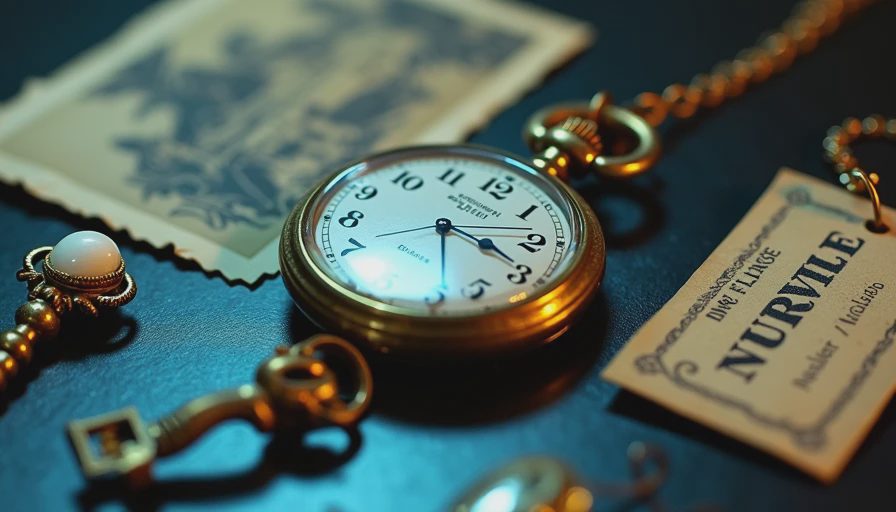
When antiquing for fabric, be especially practical. Old drapery can be gorgeous, but sunlight weakens fibers and vintage textiles may have odors that never quite leave. I prefer smaller, useful pieces such as embroidered runners, wool blankets, grain sacks, and needlepoint cushions. They can be cleaned, rotated, and enjoyed without committing an entire room to a fragile material.
The best places to begin
You do not need to spend a Saturday driving three hours to a famous market. Begin with estate sales, neighborhood yard sales, consignment shops, flea markets, and small antique malls. Each setting asks you to shop differently. Estate sales often offer coordinated pieces from one home, while flea markets reward patience and a willingness to look past dust. Consignment shops are usually easier when you need a particular size or condition.
Bring a measuring tape and the dimensions of your room. I keep a note on my phone with the width of our living room doorway, the height of the mantel, and the maximum depth for a side table. It saves me from falling in love with a beautiful cabinet that cannot make the turn into the house. Take photographs of your room before you leave, too. A quick glance at the picture is more honest than a hopeful memory.
Antiquing is also more successful when you set a ceiling before you shop. Give yourself a total budget, then reserve about 20 percent for repairs, delivery, cleaning, or new hardware. That $90 chest may become a $150 project after transport and refinishing. Sometimes that is still a wonderful buy, but it should be an informed one.
How to mix old pieces with everyday life
The easiest formula is contrast. Pair a worn wooden table with a clean-lined sofa. Put a delicate antique mirror above a practical shoe cabinet. Use old brass candlesticks beside a modern ceramic lamp. The room feels balanced because no single era is asked to do all the talking.
For families, place the most delicate finds above eye level or in rooms with less traffic. A pretty glass bowl can live on a mantel instead of the playroom coffee table. A sturdy pine bench is a better choice near a back door than a painted chair with a fragile finish. Good antiquing is not about pretending your home has no children, cats, coffee rings, or laundry. It is about choosing materials that can live alongside them.
Color helps the mix feel intentional. If you find a faded blue painted stool, repeat that blue in a pillow welt or a small piece of art. If the wood tones are varied, connect them with one generous textile, such as a warm rug or a linen throw. Repetition gives collected rooms a quiet rhythm without making them match.

Mistakes that make a collected room feel cluttered
The first mistake is buying too many small things. Ten little objects scattered across a shelf usually create visual noise, while three objects with different heights can feel composed. Give your favorite pieces breathing room. A bare patch is not an emergency; it is what lets the good thing be seen.
The second is treating every old finish as precious. Some pieces need gentle cleaning, but others need a practical update. A dark, sticky cabinet may become much more useful after careful cleaning and new shelf paper. A seat with tired fabric might deserve a durable cotton or performance velvet. Preserve character where you can, but do not preserve grime, odors, or a finish that makes the piece impossible to live with.
Finally, avoid buying an object only because it is labeled antique. The label does not make it right for your home. During antiquing, ask whether you like the shape, whether you can use it, and whether it supports the feeling you want in the room. If the answer is no, leave it behind without guilt.
A simple antiquing plan for this weekend
Choose one room and one category, such as lamps, framed art, or occasional tables. Measure the available space and decide what you can spend. Visit two or three places rather than trying to search the entire city. Give yourself time to walk around once before purchasing; the best find is often hiding on the second pass.
When you find something promising, check its condition, measure it, and imagine it with the pieces you already own. Ask about the return policy if there is one, and get delivery terms in writing for large furniture. Then stop shopping. One thoughtful piece can change a corner more effectively than a trunk full of unrelated treasures.
The heart of antiquing is not collecting old things for their own sake. It is noticing what has a good shape, a useful story, or a texture that makes you want to reach out and touch it. Let the room gather its history slowly. Leave space for the birthday bouquet, the library book, and the slightly crooked photograph. That is where the warmth comes from.