A transom window is one of those small architectural details that can change the whole feel of a room without asking for much in return. It borrows light from one space to another, protects privacy, and gives a doorway or opening a more finished line. In a house that needs to work hard for family life, that little band of glass can do more than a giant gesture wall ever will.
Why this small opening changes the whole room
A transom window sits above a door or another window, usually in the slim space between the top of the opening and the ceiling. That placement matters. Instead of letting the room feel boxed in, it pulls light higher into the wall plane and makes the ceiling line read a little taller. I love that effect in older homes, especially ones with narrow halls or smaller rooms that need help feeling open.
What makes it useful, not just pretty, is that it gives you borrowed brightness without giving up the wall below. A pane of glass above a bedroom door, for example, can soften a dark hallway while keeping the room itself private. If you have ever stood in a dim space and wished it had one more ounce of daylight, this is the kind of fix that feels gentle but noticeable.
The best places to use one
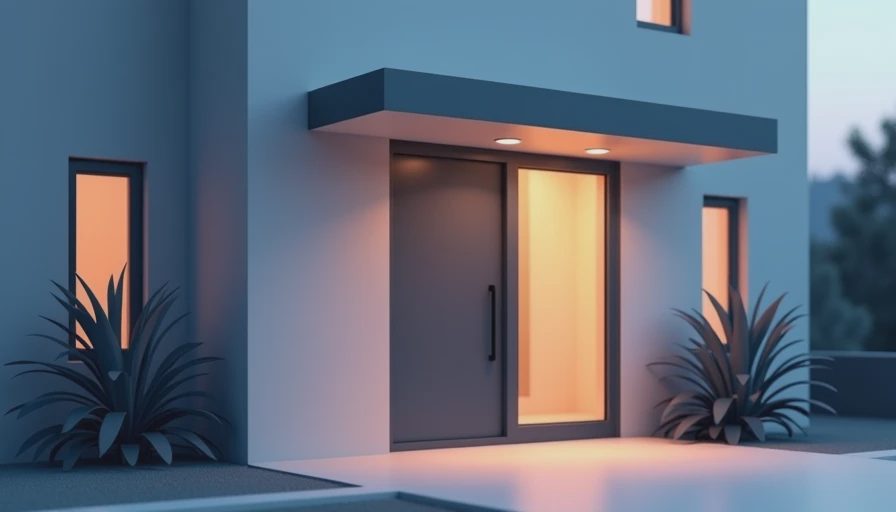
A transom window earns its keep in rooms where you want light, privacy, and a little architectural grace at the same time. Front entries are the obvious candidate. If your door opens into a foyer that feels cramped, a transom above the door can make the whole entry feel more welcoming before you even hang art or paint the trim. Bathrooms are another strong choice, especially when a high window is not practical because of plumbing or neighboring sight lines.
Hallways, laundry rooms, and home offices also benefit. I especially like it over a solid interior door that leads into a bedroom or bath, where the opening helps the house feel connected without turning it into one big fishbowl. In a small kitchen, a transom window above a pantry door or back door can bring in enough extra light to make the space feel less like a pass-through and more like part of the home.
Glass choices that solve real problems
Not all glass does the same job, and this is where the details start pulling their weight. Clear glass gives you the most light, which is lovely over a front door or in a hallway where privacy is not a concern. Frosted or textured glass is better for bathrooms, guest rooms, and any place where you want daylight without a direct view. Seeded glass gives a softer, older look and hides a little more than clear panes do, which is why it plays so nicely in traditional homes.
If your house already has good cross-breezes, an operable top panel can be useful, though fixed glass is far more common and usually simpler to live with. For a family home, I tend to favor the option that is easier to clean and less fussy to latch. The goal is not to create a maintenance project. It is to make the room feel calmer every day.
Getting the proportion right
The best-looking transom window usually looks like it belongs there, not like someone squeezed it in at the last minute. Proportion matters more than almost anything else. The glass should feel balanced with the door or window below it, and the trim should line up cleanly with the existing casing. If the opening is too tall or too narrow, the eye catches it immediately, even if you cannot say why it feels off.
In a historic house, I like to respect the rhythm that is already there. Many older homes were built with transoms for a reason: they helped air move, brought light deeper into the plan, and kept the rooms graceful. If you are adding one now, match the scale of the existing millwork and keep the details simple enough that the opening reads as part of the architecture. That is usually what makes it feel timeless instead of trendy.

How it works with drapery and soft furnishings
This is the part I love most. A transom window can make soft furnishings work harder for you. When a room has a high opening, you can hang drapery at the proper height below it and still keep daylight coming in above the panels. That means the window treatment can do its job without shutting the room down. Linen drapery feels especially good here because it filters light without looking stiff, and it wrinkles in a way that feels honest, not sloppy.
If the opening sits above a door, keep the area below simple and let the glass be the star. If it sits above a window, think about the full composition from floor to ceiling, not just the lower sash. One well-placed transom window can make a room feel layered and intentional, which is exactly what a soft interior needs. A room should breathe a little, and this is one of the best ways to help it exhale.
What it costs and when to bring in a carpenter
If you are working with an existing opening, the cost can stay reasonable. Swapping in new glass, refreshing trim, or adding a transom to a prehung door unit might land in the low hundreds to a couple of thousand dollars, depending on materials and labor. A more involved project, especially one that requires reframing or changing a wall opening, can run several thousand more. That jump usually comes from carpentry, drywall, paint, and electrical work around the opening rather than the glass itself.
A carpenter or contractor is worth calling when the wall is load-bearing, when the trim needs to match existing millwork, or when the house has older bones and the details matter. In a historic district, that judgment matters even more. If the opening is already there, preserving and improving it is often the smartest move. If you are starting from scratch, let the architecture guide the size and style so the result feels like it has always been part of the house.
When a transom window is chosen well, it does exactly what a good design detail should do: it solves a problem and makes the room prettier at the same time. That is the sweet spot. And if you are standing in a hallway or bath wondering whether the space needs more light, this is often the kind of answer that feels right the minute you see it.