If bedtime leaves you kicking off the covers, the best sheets for hot sleepers can make a surprisingly meaningful difference. The right set will not turn a humid July night into January, but it can help heat and moisture move away from your skin instead of trapping both beneath a heavy, glossy fabric. After years of specifying bedding for real homes, I have learned that cooling comfort comes down to fiber, weave, fit, and how much bedding you pile on top.
This is not an argument for a stark white bedroom or a bed that looks untouched. My own bed has a rumpled linen coverlet, a cat who believes the pillows belong to him, and the occasional child-sized collection of stuffed animals. A soft room is a room that breathes. Let’s make yours exhale.
Start with the fiber, not the thread count
For warm sleepers, fiber matters more than an impressive thread-count number on a package. Cotton percale is a reliable starting point because its simple one-over, one-under weave feels crisp and allows air to circulate. Look for long-staple cotton when your budget allows; it tends to feel smoother and hold up well through repeated washing. Brands such as LL Bean, Brooklinen, and The Company Store offer percale options at different price points, though the fabric label matters more than the logo.
Linen is another excellent choice. It is naturally breathable, absorbs moisture, and becomes wonderfully soft with use. It also wrinkles. That is not a flaw; it is the whole relaxed, collected look. If you want linen’s airflow with a slightly smoother finish, linen-cotton blends can be a practical compromise. They often cost less than pure linen and require less patience after laundry day.
Bamboo-derived rayon and eucalyptus-derived lyocell can feel cool and silky against the skin. They are often marketed as miracle cooling fabrics, but the finished sheet still depends on its weight and weave. A lightweight set can be comfortable, while a dense sateen version may feel warmer than expected. Read the care label and product details before trusting a cooling claim.
The best sheets for hot sleepers have the right weave
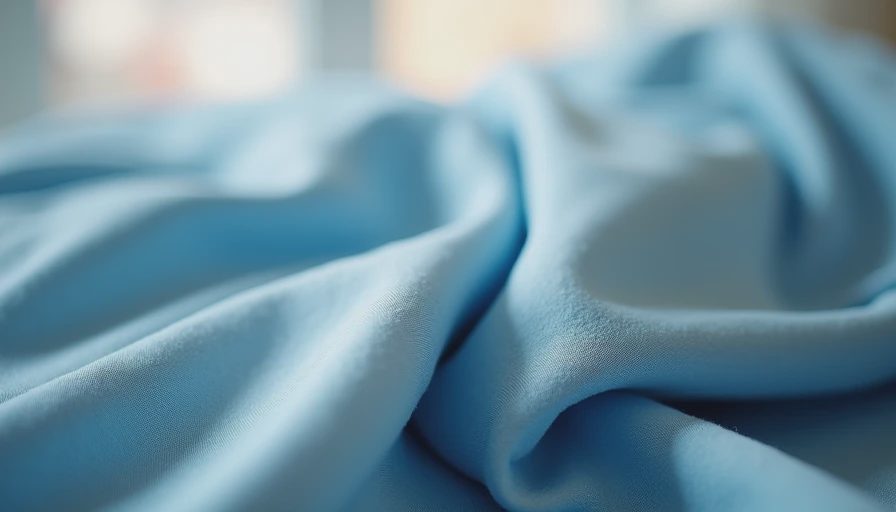
Percale feels matte, crisp, and almost shirt-like. It is especially appealing if you sleep warm and enjoy a fresh, just-made-bed sensation. The tradeoff is that percale can make a little more noise when you move, and some inexpensive versions feel stiff at first. A few washes usually soften good cotton, but a scratchy sheet rarely becomes luxurious through optimism alone.
Sateen has a silky surface and a subtle sheen created by a different weave. It drapes beautifully and feels cozy, but its closer surface can hold more warmth. That does not make sateen wrong for everyone. If your room is air-conditioned and you like a smooth, polished bed, a lightweight sateen may suit you. For truly sweaty sleepers, however, percale, linen, or a breathable lyocell is usually the safer direction.
Jersey is stretchy and familiar, like a favorite T-shirt. It can be soft and affordable, but many jersey sheets feel warmer because the knit holds onto body heat. Flannel belongs firmly in the cold-weather drawer. It is wonderful for a drafty January bedroom and generally too much for someone already sleeping hot.
Fit and layering can undo a good purchase
Even the best sheets for hot sleepers will feel uncomfortable if they do not fit the mattress. Measure the mattress depth, including any topper, before ordering. A 12-inch mattress with a three-inch topper needs a deeper pocket than the mattress label alone suggests. Elastic that slips off at 2 a.m. creates heat, irritation, and a crumpled sleeping surface.
Use fewer layers during warm months. A breathable sheet paired with a thick down comforter still creates a heat pocket. Try a cotton or linen blanket, a lightweight quilt, or a washable cotton coverlet instead. I often recommend keeping the duvet folded at the foot of the bed so each person can choose coverage without an elaborate midnight negotiation.
Your mattress protector matters, too. Waterproof protectors with a plastic-feeling membrane can block airflow and create that clammy sensation many people mistake for a sheet problem. Look for a quiet, breathable protector with a fabric top. It will not feel as weightless as bare fabric, but it can protect an expensive mattress without making the bed feel sealed.
How to shop without getting lost in labels
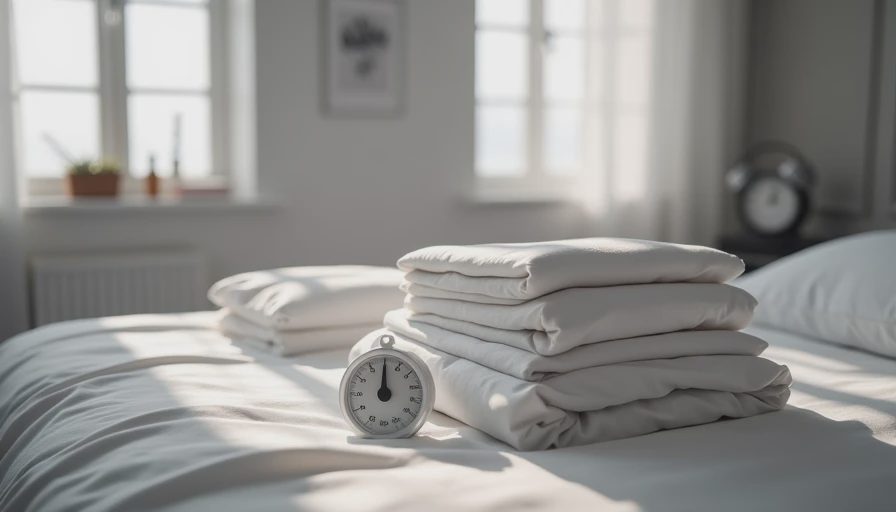
When comparing the best sheets for hot sleepers, use a short checklist rather than chasing every marketing phrase. First, identify the fiber: cotton, linen, lyocell, or a blend. Next, check the weave and fabric weight. A 200 to 300 thread-count percale can be perfectly comfortable; a higher number is not automatically cooler or better. Some manufacturers count individual fibers in a way that makes the number look more impressive than the actual construction.
Then consider laundering. Sheets that require delicate handling may not fit your household, especially when children, pets, or summer sweating are involved. Cotton percale usually tolerates regular washing, while linen rewards gentle cycles and low heat. Wash sheets separately from towels to reduce lint, and avoid overloading the machine. Residual detergent and fabric softener can coat fibers, reducing their absorbency and making them feel less fresh.
Price is useful as a rough guide, not a guarantee. A solid cotton set may cost around $70 to $150, while premium linen often runs from $150 to more than $300. You can build a practical collection slowly: one everyday percale set, one linen set for the hottest months, and a warmer flannel or brushed cotton set for winter if your climate calls for it.
My practical picks for different sleepers
For a crisp, traditional bed, choose cotton percale. It is the easiest recommendation for someone who wants a cool hand and straightforward care. For a loose, relaxed bedroom, choose linen or a linen-cotton blend. The wrinkles bring texture to a room filled with smooth wood, painted furniture, or polished lamps.
For someone who dislikes crisp sheets, try lightweight lyocell or a breathable cotton sateen, but avoid the heaviest versions. If you share a bed with a warm sleeper and a person who is always cold, separate blankets are often more effective than arguing over one comforter. Two cotton throws or lightweight quilts can look intentional when folded neatly at the foot of the bed.
The best sheets for hot sleepers should also feel good after six months, not only during the first unboxing. Pay attention to pilling, loose elastic, fading, and whether the fabric still absorbs moisture after washing. A modestly priced set that gets used constantly is a better investment than a beautiful set you avoid because it sleeps too warm.
A cooler bed, one small change at a time
You do not need to replace every textile in the bedroom tonight. Start with the sheet closest to your skin, then adjust the top layer. If you currently sleep on polyester sateen beneath a thick comforter, switching to cotton percale and a lightweight blanket may be enough to change the whole experience. If that is not sufficient, consider linen, a more breathable mattress protector, or a fan that moves air gently across the room.
Choose colors you will enjoy seeing every morning: soft blue, warm white, faded sage, or a small stripe. Practical bedding can still be beautiful. The best sheets for hot sleepers are not merely a technical fix; they help the bedroom feel calmer, lighter, and easier to live in. Start with the fiber, respect the climate, and let a little wrinkling tell the truth about a bed that is actually used.