Most people choose a rug by color, pattern, and size. Then they put it on the floor and wonder why the room still feels a little off. The missing piece is often under the rug, not on top of it.
Pad height is one of those quiet details that almost never makes it into the inspiration photos. It is also one of the fastest ways to change how a room feels underfoot and how the furniture relates to the floor.
Why the pad is not optional
A rug without a pad is rarely at its best. It slips. It wrinkles. It wears faster. More importantly, it never quite settles into the room. The right pad gives the rug enough presence to feel intentional. The wrong pad—or no pad at all—leaves the rug looking and feeling like an afterthought.
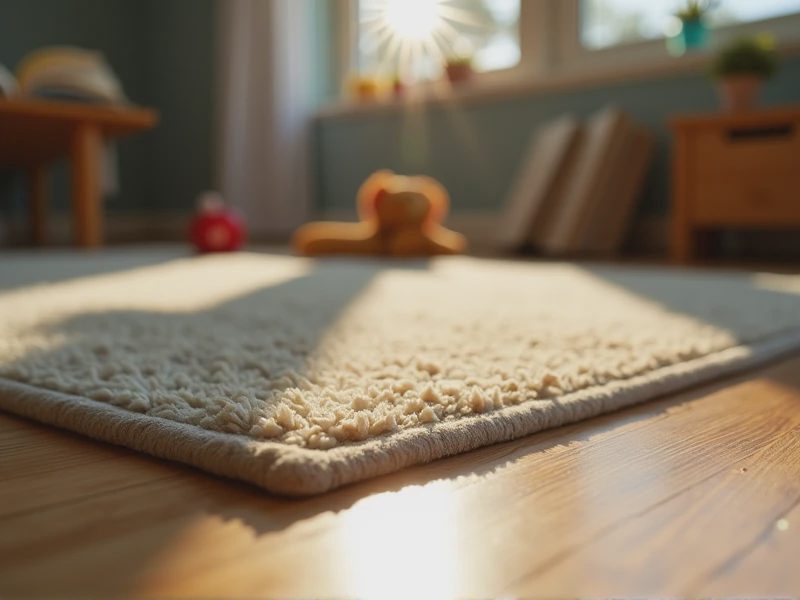
In a family house the pad also does quiet protective work. It keeps the rug from sliding when a child runs across it. It softens the landing when someone is playing on the floor. It reduces the hollow sound of footsteps on wood or the hard feel of tile.
The height conversation no one has
Pads are not all the same thickness, and the difference matters more than most people expect.
A thin pad (around ¼ inch or less) is useful when you need the rug to stay low—under a dining table, in a doorway where clearance is tight, or when the rug itself is already thick and plush. Too much height in those situations makes chairs catch and doors drag.
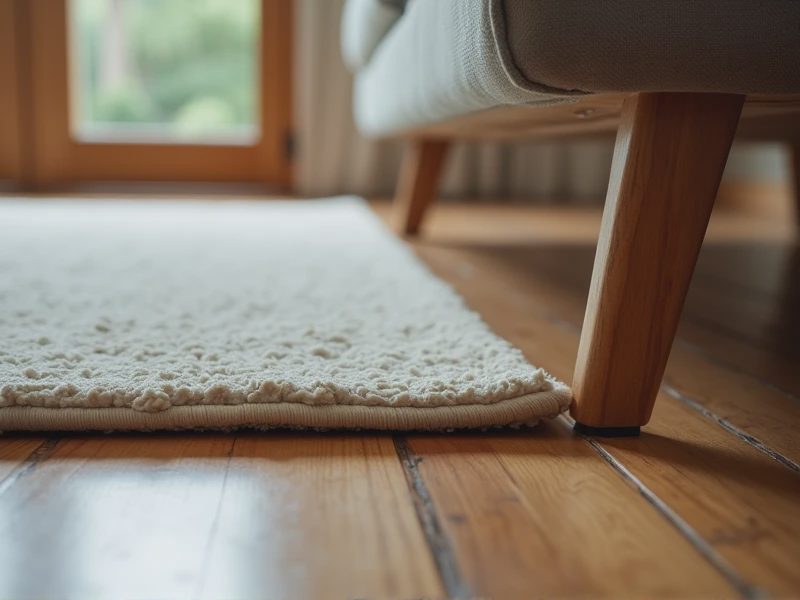
A medium pad (roughly ⅜ to ½ inch) is what I reach for most often in living rooms. It gives the rug a gentle lift without creating a noticeable step. Furniture legs sit more comfortably. The rug feels substantial under bare feet without becoming a tripping hazard.
A thicker pad can feel luxurious, but it needs to be chosen carefully. On a thick wool or high-pile rug it can make the whole surface feel unstable. In a room with mixed furniture heights it can make side tables and sofa legs look slightly stranded. I use the thicker options sparingly, usually only when the rug is flatwoven and the room can handle the extra presence.
The goal is not maximum softness. The goal is the right relationship between the rug, the furniture, and the way people move through the space.
What changes when the height is right
When the pad is correctly matched to the rug and the room, several small things improve at once:
The rug stays where you put it.
The edges look cleaner and less likely to curl.
Chairs slide more predictably.
The furniture appears more grounded, as if it belongs to the floor rather than floating above it.
The whole room feels quieter underfoot.
When the pad is wrong, the opposite happens. The rug migrates. The edges look tired. People notice the floor more than the room.
A few practical notes from a house with real traffic
I prefer pads that are dense rather than lofty. A pad that compresses too easily stops doing its job after a few months of ordinary use. Natural rubber or quality felt-and-rubber combinations tend to hold up better than the cheapest foam options.
In humid climates like Charleston, I am also careful about materials that can trap moisture against the floor. A pad that cannot breathe can become a problem under a wool rug in August. Look for options that offer grip without creating a sealed environment underneath.
If you have radiant heat or delicate floors, check compatibility. Some pads are fine; some are not. This is one of those details worth confirming before everything is in place.
The real test
After the rug and pad are down, walk the room the way you actually live in it. Sit in the chairs and notice whether they move cleanly. Stand at the doorway and see whether the transition feels natural. Lie on the floor with a child or a book and pay attention to whether the surface feels supportive or awkwardly soft.
If anything feels like you are negotiating with the floor, the pad height is probably part of the problem. Adjusting it is one of the least expensive and most effective corrections you can make.
Most design advice stops at the surface of the rug. The room, however, is experienced from the ground up. Give the pad the same attention you give the pattern, and the whole floor starts working with you instead of against you.
A soft room is a room that breathes.
Sometimes the softest part is the layer no one sees.
— Caroline