
A juliet balcony is one of those small architectural details that can change how a room feels without taking over the floor plan. In a bedroom, upstairs hall, or compact living room, it gives you fresh air, extra light, and that lovely sense of opening the house to the day. I like it best when the rest of the room is calm and practical: good drapery, sturdy flooring, and trim that feels finished rather than fussy. If you live in a place where every square foot matters, a juliet balcony can be the detail that makes a room feel taller, kinder, and more expensive in the right way.
What makes this opening different
A juliet balcony is not really a balcony at all; it's a shallow guardrail set at a tall door or full-height window. That means you get the breeze and the view without giving up square footage or building a true platform. In older houses, it can brighten a narrow upstairs room. In a condo, it can make a plain glass wall feel intentional instead of corporate. The trick is understanding that the whole feature lives in the threshold, so the doors, trim, and rail need to look like they belong together. When they do, the room feels finished from the inside out.
This is why the detail works so well in homes that need a little lift without a major addition. You are not trying to create an outdoor living area. You are creating a moment. That distinction matters, because it changes how you furnish the room and how you think about privacy. If the opening is elegant, simple, and well proportioned, the rest of the room can stay quiet and let the light do the talking.
Where it earns its keep
It shines in bedrooms, breakfast nooks, and upstairs sitting rooms. In a bedroom, a juliet balcony gives you a lovely place to throw open the doors on a mild morning, but it also asks for thoughtful privacy. I like linen panels or relaxed Roman shades that can move out of the way without looking stiff. If the view is good, keep the furnishings simple so the eye goes straight to the light. If the view is not special, treat the opening like architecture and make the trim and hardware carry the beauty. Either way, it should feel calm, not busy.
The biggest win is how much openness you get for so little footprint. In a small townhouse or apartment, that can matter more than an actual outdoor perch you might rarely use. A true balcony can be wonderful, but it also asks for structure, waterproofing, and more maintenance. This version gives you the airy feeling with far less complexity, which is one reason designers keep coming back to it in compact rooms.
Materials and safety choices
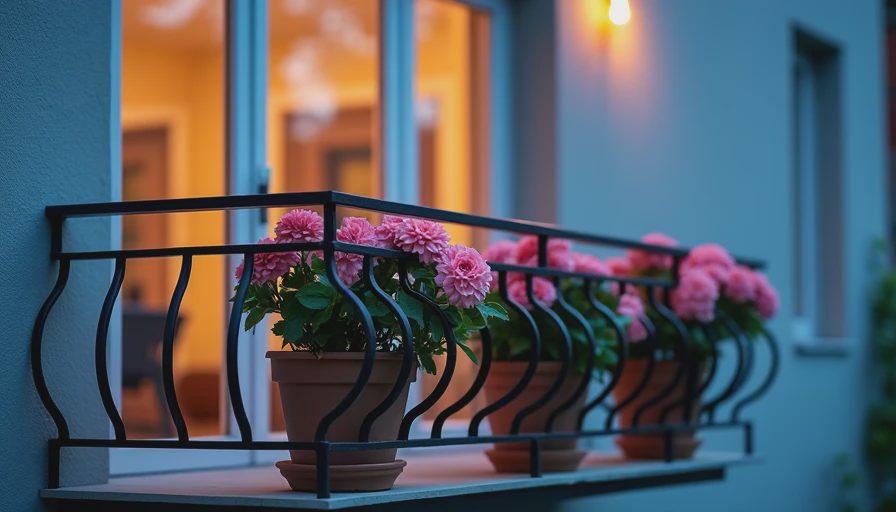
With a juliet balcony, the guardrail is the whole show. Black powder-coated steel gives a clean, classic line that works in Charleston homes, new builds, and almost everything in between. Painted iron feels a little more traditional. Glass can disappear visually, though it needs careful cleaning and a design that doesn't fight the rest of the house. Whatever you choose, the height, spacing, and attachment should be handled by a professional who knows local code and structural requirements. This is not the place for a pretty sketch on a napkin. It is the place for solid fastening, weather-ready finishes, and a latch that closes smoothly.
I also like to think about how the hardware reads from inside the room. If your trim is crisp and traditional, a dark rail can give the opening a tailored edge. If the house leans softer and more coastal, a painted finish that echoes the trim can help the feature blend in. The goal is not to make the rail invisible. The goal is to make it feel like it belongs to the room instead of arriving from a different style altogether.
How to style the wall around it
The inside room needs just as much thought. A narrow pair of drapes can frame the opening, but heavy fabric stacked across the glass will eat the light you came here for. Sheers, light linen, or café curtains in the right setting keep the room soft. I also like using trim paint that contrasts just enough to outline the doors, because that little shadow line makes the feature read as architecture rather than an afterthought. If there is space, place a chair angled toward the light or a bench nearby, not directly in front of the opening. You want a small pause in the room, not a barricade.
If the room feels flat, add one more layer of texture instead of more stuff. A wool rug under a bed, a woven shade in an adjacent window, or a sling chair with a cushion can give the space depth without blocking the view. The best rooms around this feature usually have one clear focal point and then plenty of breathing room around it.
Common mistakes to skip
A juliet balcony can look awkward when the proportions are off. Oversized doors with a too-thin rail feel flimsy. A tiny rail on a grand façade can look stingy. The best result usually comes from balance: the opening should be tall enough to pull the eye up, and the rail should feel deliberate, not decorative for its own sake. If you are updating an existing house, check for peeling paint, rust, water staining, and loose hardware before you start styling around it. Those little maintenance jobs matter because they protect both the look and the structure. In an older home, I would rather see one beautifully maintained feature than a dozen pretty ones that are tired at the edges.
Another easy mistake is crowding the area with furniture that belongs somewhere else. A big dresser under tall doors, a bulky lamp beside the rail, or a stack of baskets near the threshold can make the room feel smaller than it is. Let the opening breathe. If you need storage, place it on a different wall and keep this side of the room light on purpose.
A simple checklist before you build
Before you commit, stand in the room and ask what the feature is supposed to do. Bring in more light. Give the room a better relationship with the outside. Make a plain wall feel special. If those are the goals, the rest becomes easier. A juliet balcony works best when the room already has enough circulation, when the doors can open freely, and when the surrounding finish work is tidy enough to support the detail.
If you are renovating, talk through structure, drainage, and code with the right professional early, not after the pretty parts are chosen. That keeps the process smoother and the result more honest. Then choose finishes that can handle real life, not just the first week after installation. A room should be lovely, yes, but it should also be lived in. A soft room is a room that breathes. Let's make yours exhale.