
Closet lights are one of those small upgrades that makes a house feel calmer right away. I notice it every time I open a dark reach-in closet and have to rummage by memory instead of by sight. Once the shelves are lit, you stop buying the wrong shirt twice, you see the difference between navy and black, and the whole room feels more considered. In a busy home, that matters. A closet is not a showroom; it is a working corner that should help you get dressed fast and put things back where they belong. If the closet is the last dark spot in an otherwise finished room, it can make the whole house feel slightly unfinished.
Why good closet lights matter in real life
A dim closet wastes time. You fumble for the black cardigan, miss the stain on the hem, and turn on the bedroom lamp anyway. Better light makes the space feel bigger, but the bigger win is clarity. When you can see a shelf edge, a basket label, or the inside of a shoe box, you are more likely to keep the closet tidy. That is true whether you have a linen closet, a primary closet, or the hall closet that swallows school supplies and spare batteries.
I also like how better lighting changes the way a room behaves. Once the closet is easy to use, laundry gets put away faster and mornings feel less frantic. That sounds small, but small is the point. You do not need a dramatic renovation to fix a daily annoyance. You need the right light in the right place, and you need it to work every single day without making you think about it.
Choosing closet lights for reach-in and walk-in spaces
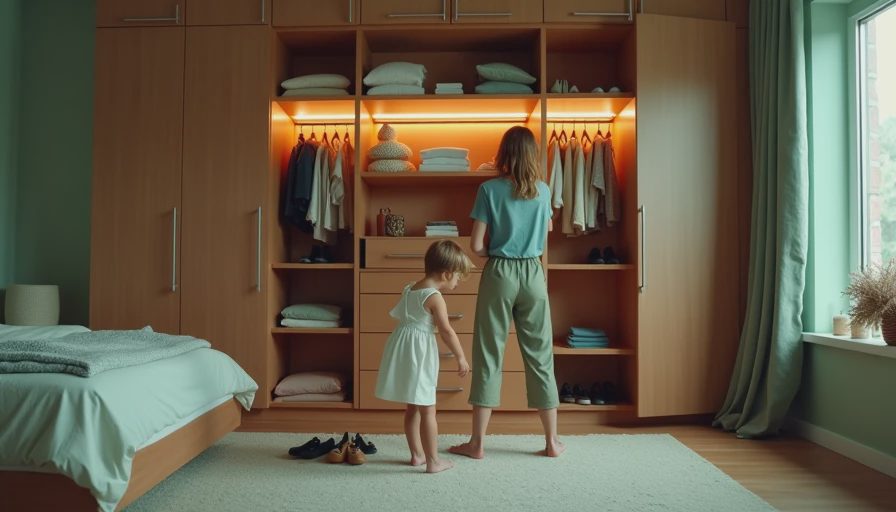
Reach-in closets usually do best with slim LED strips or battery puck lights mounted near the top front edge, where they throw light down without stealing hanging space. Walk-ins can handle a center fixture, but I still like adding strips under shelves or inside built-ins if the closet is deep. A rechargeable light bar is a good middle ground for renters, especially if you do not want to call an electrician for a small upgrade. If you are rewiring anyway, a simple flush mount or shallow semi-flush fixture gives a cleaner finish.
Think about how the closet is actually used, not just how it looks on paper. A parent grabbing rain boots needs a broader wash of light than someone choosing two blouses before work. A shallow light bar over folded shelves can matter more than a stronger bulb in the ceiling. A guest closet can stay simple with one well-placed fixture. A main closet with drawers, mirrors, and folded stacks benefits from layered light, because each zone serves a different job.
Where closet lights should go
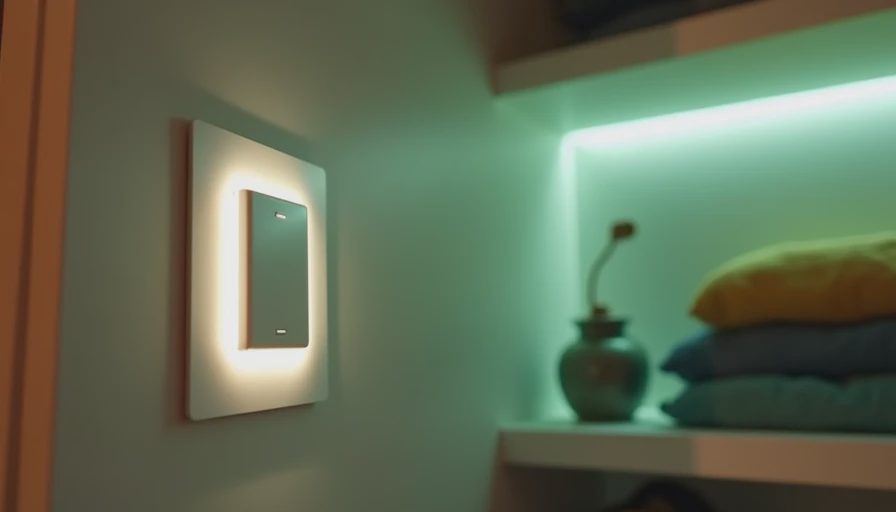
Placement matters more than price. Put the source where it lights faces, labels, and the front half of the shelf, not buried behind hanging clothes. If the light sits too far back, the rods cast shadows and the closet still feels gloomy. I like aiming light from the ceiling toward the walls, or under a shelf toward the floor, so the beam washes across the storage instead of spotlighting one corner. In drawers or narrow cubbies, small motion-sensor discs are plenty. In a shared closet, a switch that comes on with the door makes life easier on sleepy mornings.
Color temperature matters too. Around 2700K to 3000K feels warm and easy on the eyes, which works well if the closet is near a bedroom. If you want a crisper read on color, 3500K is a safe middle ground. I would also look for a color rendering index of 90 or better when possible, because better color rendering helps you tell a charcoal sweater from a black one without squinting. That is the sort of detail that saves annoyance every single week, especially when you are getting dressed in a hurry.
What closet lights cost and what they are worth
Budget matters, and this is one place where the low end can still work well. Basic battery puck lights often run 10 to 25 dollars each. A rechargeable strip kit may cost 20 to 60 dollars. If you want a hardwired upgrade with an electrician, several hundred dollars is normal once you add labor and a new fixture. That sounds like a wide spread, but it is the same logic I use with window treatments: spend where you will notice the daily difference, then keep the rest simple.
For a rental, adhesive or battery options are easy to remove. For a long-term home, a wired light usually feels worth the money because it makes the closet feel built in, not patched on. If you are already painting, swapping knobs, or adding shelves, this is a smart time to do the lighting too. The closet is open, the dust is already out, and the work feels intentional instead of piecemeal. The saved time is the real return, because you feel it every morning and every night.
Common mistakes that make a closet feel dimmer
The most common mistake is choosing a fixture that is pretty but not practical. A decorative pendant can look charming in a magazine, but in a closet it may hang too low or leave the corners in shadow. Another mistake is using one bright light in the center and calling it done. That can create a spotlight effect on the floor while the upper shelves stay dark. Too cool a bulb can also make clothes look flat and a little harsh, especially in a room with painted walls and soft finishes.
Battery lights cause trouble when the adhesive is rushed or the batteries are ignored. Clean the surface with alcohol, let it dry, and press the light in place firmly. If the closet gets hot or humid, check the mounting every so often so you are not fixing a loose light on a Monday morning. I also avoid mixing wildly different color temperatures in adjacent rooms, because the closet should feel related to the bedroom, not like a separate little cave. The goal is not perfection. The goal is a closet that works without asking you for extra attention.
The easiest upgrade when the closet is the last dark corner
If you are staring at a closet that never quite feels finished, start with function first and fuss second. Measure the depth, notice where the shadows land, and think about whether you need one broad source or a few smaller ones. Then pick the least complicated option that solves the real problem. That is usually the one you will keep using without complaint, which is the whole point of a good fix.
I like that kind of improvement because it gives a room a little exhale. The closet stops acting like a black hole, the morning routine gets smoother, and the rest of the house feels more pulled together because nothing is quietly nagging at you in the background. A soft room is a room that breathes. Let’s make yours exhale.