
The fastest way to make a closet feel more expensive is not a prettier basket or a matching hanger set. It is better closet lighting. When a closet is dark, you waste time hunting for the black sweater that is somehow on black pants day, or you think you own three nearly identical navy shirts because the room keeps hiding the truth. A little light changes the whole experience. It helps a room work harder, it makes your clothes look closer to their actual color, and it keeps the morning from feeling like a scavenger hunt.
Start with the job the space has to do
Good closet lighting starts with how the closet is used, not with the prettiest fixture on the shelf. A reach-in that holds coats and shoes needs a different setup than a walk-in closet with a bench, a mirror, and a row of drawers. If the closet is for a child, the real job is even simpler: make the shoes visible, make the uniforms easy to spot, and make the floor bright enough that a sock does not disappear into the shadows. If it is a primary closet, the light should help you compare fabrics and find details like stains, lint, or a missing button before you walk out the door.
That is why I like to think about the closet the same way I think about a workroom in a house. The light should serve the task first. A warm bulb can still feel inviting, but it should not turn everything yellow. If you have ever pulled on what you thought was a cream sweater and discovered it was actually beige, you already know the difference. In most homes, 2700K to 3000K is a good sweet spot, and a high color rendering bulb helps clothes look honest instead of muddy.
Choose fixtures that fit the space
The best closet lighting is usually simpler than people expect. In many closets, a flush-mount ceiling fixture is the easiest answer because it sits close to the ceiling, stays out of the way, and spreads light evenly. If the closet already has an electrical box, that can be a clean, modest upgrade. In a larger walk-in, recessed lights can work well too, especially when the layout is deep enough that one center fixture would leave the corners in the dark. For shelves and cubbies, slim LED strips or small puck lights can fill the gaps without making the closet feel busy.
I also like motion sensors in closets because hands are often full when you walk in, and nobody wants to fumble for a switch before coffee. For renters or people who do not want to open walls, battery-operated lights are a decent stopgap, especially in upper shelves or under hanging rods. Just keep the fixtures tucked away so they do not glare in your eyes. One small caution: closets are not the place for exposed bulbs or dangling cords. A tidy fixture is safer, easier to clean, and much more pleasant to live with.

Get the color and brightness right
With closet lighting, brightness matters, but more is not always better. Too dim, and you cannot tell the difference between black, charcoal, and navy. Too bright and cool, and the closet feels like a fitting room under merciless fluorescent tubes. For a small closet, a fixture in the 800 to 1200 lumen range is often enough if the space is white or light in color. A larger walk-in may need more, especially if the ceiling is high or the shelves are deep. The point is not to flood the room. The point is to see clearly.
Color temperature matters just as much. Around 2700K feels soft and warm, while 3000K reads a little crisper and often makes whites and blues easier to judge. If the closet is connected to a bedroom, I usually lean a touch warmer so the whole suite feels calm together. If the room doubles as a dressing area with a mirror, go for even, shadow-free lighting rather than one dramatic statement pendant that leaves your face half in shade. Beauty is lovely. Being able to tell if your shirt is wrinkled is better.
Fix the shadows before you shop for storage
A lot of people blame a dark closet on the shelves, but the real problem is often placement. If the only light sits too far back, the hanging clothes cast long shadows over the floor and lower shelves. If the light sits directly in the middle of a narrow room, it can leave the rod line gloomy. Good placement means thinking about where your eye lands when you open the door. In a standard reach-in, a centered flush fixture usually works. In a deeper closet, a second light near the front can keep the doorway from swallowing the room.
Mirrors, tall boots, and dark finishes all need a little extra help. White paint reflects light beautifully, which is one reason a closet can feel bigger after a fresh coat. Dark wallpaper or deep wood shelves can be lovely, but they absorb more light, so the room needs a stronger plan. If you are adding built-ins, ask the installer to leave room for under-shelf lighting before the trim goes in. It is much easier to wire it cleanly now than to wedge it in later.
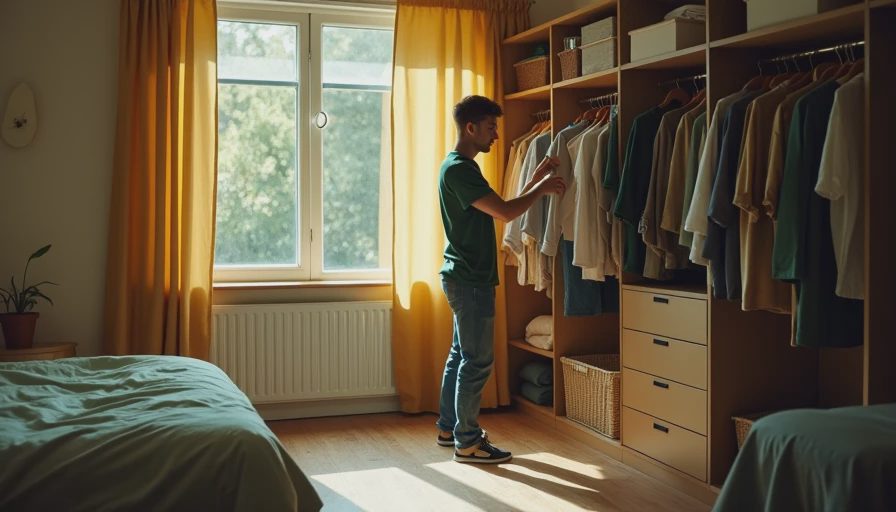
Make small closets and rentals easier to live with
For closet lighting in a rental or a house with no easy electrical access, the goal is improvement, not perfection. A peel-and-stick LED strip under the top shelf can make a big difference in a narrow closet. Small puck lights work well inside deep shelves or near shoe storage. If you choose a battery option, put it where you can reach it without dragging out a step stool every month. The best inexpensive upgrade is one you will actually keep using after the initial excitement wears off.
This is also where a little patience saves money. You do not need to rebuild the closet to make it functional. I have seen a hundred-dollar lighting refresh do more for a family’s morning routine than a much pricier storage overhaul. The trick is to light the things you reach for most: the rod, the floor, the shelves, and the spot where your child’s backpack lands every afternoon. Once those areas are visible, the whole closet feels calmer.
Know when a pro is worth it
There are times when the smartest move is to call an electrician and let the job be done right the first time. If there is no ceiling box, if you want a hardwired fixture, if the wiring is old, or if you are adding a dimmer, that is usually money well spent. A straightforward electrical visit can often land in the low hundreds, while a more involved install with new wiring will cost more. Still, that is cheaper than living with a closet that never feels finished.
If your closet is part of a larger bedroom update, think of the light as one piece of the room, not an afterthought. Good closet lighting should help the closet disappear into the rhythm of the house. You open the door, find what you need, and move on with your day without drama. That is the whole point. A soft room is a room that breathes. Let's make yours exhale.