
Aluminum Patio Furniture That Feels Easy, Not Fussy
There is a sweet spot between a backyard that looks lovely and one that asks for too much from you. Aluminum patio furniture lives in that sweet spot. It gives you the lightness you want when you are dragging chairs around for dinner, the clean lines you want when the porch is the view from the kitchen, and the low-drama upkeep you need when pollen, rain, and snack crumbs all show up uninvited. I love it for real homes because it does not require a ceremonial level of care to stay presentable. You can hose it off, dry it, and keep moving. That is a blessing on a Saturday when someone is barefoot, someone is hungry, and the dog has already claimed one cushion.
The trick is choosing pieces that feel sturdy instead of shiny and thin. A good frame should have enough heft that it does not skitter across the deck, but not so much weight that you dread rearranging it. Look for powder-coated finishes, welded joints, and seat shapes that actually support a human body, not just a showroom photo. If you get those basics right, the rest becomes simple: add the right cushion, soften the edges with a rug, and let the porch do the rest of the talking.
Why this material works so well outside
One reason aluminum patio furniture earns its place is that it handles weather without acting precious. Unlike wood, it does not need regular sealing to stay useful, and unlike steel, it is far less likely to rust if the finish gets a little wear. That matters in a humid place, on a pool deck, or anywhere the garden hose gets used more often than anyone planned. It is also easier to move than cast iron, which makes a big difference when you are sweeping leaves or chasing shade around the yard.
There is a look factor, too. Aluminum can read modern, classic, or coastal depending on the shape. Slim arms and tight lines feel crisp. Thicker slats and softer curves feel more relaxed. The nicest versions do not scream for attention; they settle into the background and let the plants, pillows, and people be the main event. That is usually what I want outdoors. A patio should feel collected, not staged.
For budget planning, I would think in ranges. A simple dining set might start around $300 to $700. Better-made seating, especially with deeper frames or nicer finishes, often lands between $900 and $2,500. If you are furnishing a larger porch or sectional setup, the price climbs fast, so it helps to spend where your hands and backs will notice it most.
How to spot the difference between flimsy and worth it
When you are standing in a store or scrolling online, the details tell on a piece faster than the marketing copy does. Good aluminum patio furniture usually feels balanced in the hand and looks finished at the joints. If a chair wobbles when you touch the arm or the underside looks sharp and unfinished, keep walking. The finish should be even, not blotchy, and the frame should feel solid where the legs meet the seat. If the product description says powder-coated, that is a good sign because the coating helps protect the metal and keeps the color from looking tired too quickly.
Seat depth matters more than people think. A dining chair that is too upright gets uncomfortable after one long supper, and a lounge chair that is too shallow never really invites you to stay. If you can, check the measurements. Around 24 to 26 inches of seat depth works well for relaxed seating, while 16 to 18 inches is more common for dining chairs. Those numbers are not fancy, but they save you from buying a pretty mistake.
Cushions matter as much as the frame. Outdoor foam should drain well, and the fabric should resist fading better than basic indoor fabric. If you have kids, dogs, or a bird that seems personally offended by clean surfaces, choose covers you can unzip and wash. That one choice can decide whether the porch feels calm or constantly one spilled lemonade away from chaos.
Making it softer with cushions, rugs, and shade
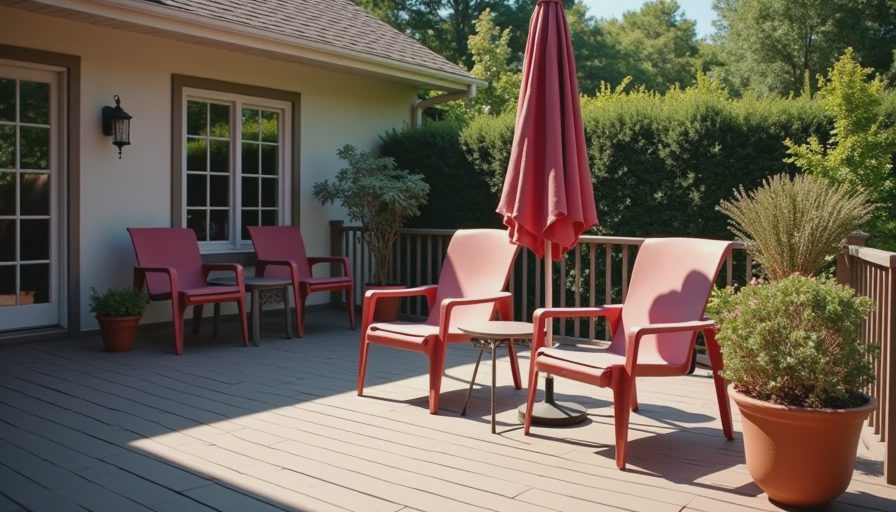
Hard materials need a little help to feel inviting, and this is where the charm comes in. Aluminum patio furniture often looks its best when you give it something warm to sit beside. A rug under the dining set anchors the whole area and keeps the legs from looking like they are floating. Natural textures, such as a woven basket, a ceramic planter, or a weathered wood side table, break up the metal and make the space feel lived in. Even one or two pillows can change the mood from plain to welcoming.
Color choice matters, too. White and pale gray can look lovely in bright sun, but they also show every leaf and splash. Charcoal hides wear better and feels crisp against greenery. If you want the porch to feel softer, choose cushions in oatmeal, sage, or a muted stripe instead of a flat bright white. Those quieter tones play nicely with the metal and with everyday life.
Shade is the final layer. An umbrella, a pergola, or even a generous porch overhang keeps the furniture and the people more comfortable. It also helps the finish last longer, which is one of those practical details that pays you back every season.
Cleaning and keeping it looking good
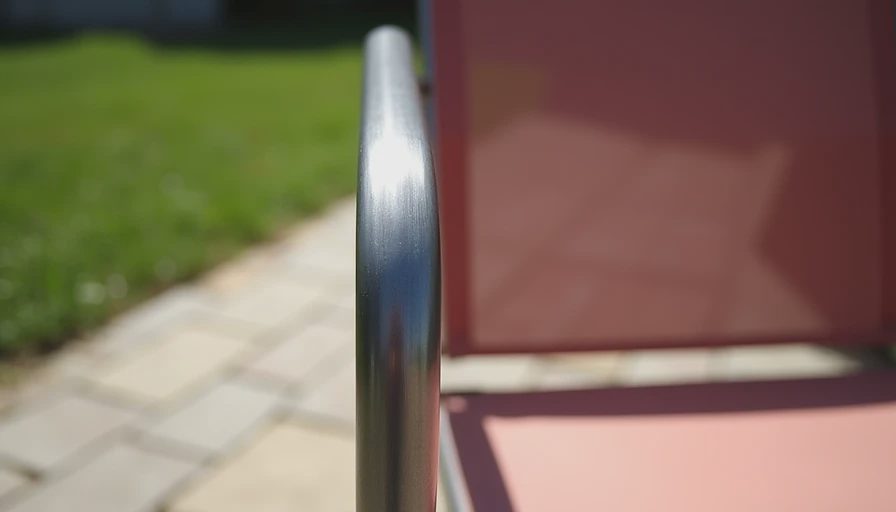
The best part of owning aluminum patio furniture is that maintenance is not a full-time job. Most weeks, a quick wipe with mild soap and water is enough. If pollen has turned everything yellow, rinse it down first so you are not grinding grit into the finish. Dry the frame if you can, especially in the seams and corners where water likes to sit. That small habit helps the surface stay cleaner and makes the whole set look cared for.
For stubborn marks, skip the harsh scrubbers. A soft cloth and a gentle cleaner usually do the trick. If the finish has chips, touch-up paint made for outdoor metal can help a frame look less tired. It will not make an old set new, but it can buy you another season or two, which is often all a family needs while children grow, habits change, and the patio starts earning its keep.
Covers are worth considering if your furniture sits under trees or in full sun. They are not glamorous, but they can keep dust, sap, and fading from sneaking up on you. If the set lives on an open deck, folding the cushions away during heavy rain is a smart habit that keeps mildew from becoming a summertime guest.
When it is the smartest buy
Aluminum patio furniture makes the most sense when you want a porch or patio that looks pulled together without becoming another project. It is a good choice if you move furniture often, if your climate is humid, or if you simply do not want to baby your outdoor pieces. It is also a practical pick for rental homes and family spaces because it can handle a lot of use without feeling fragile.
If your style leans warm and collected, do not let the metal name scare you off. The frame is just the backbone. Add cushions with texture, a rug with some softness, and a few plants that spill over the edge, and the whole corner starts to breathe. That is the part I love most: the right pieces do their job quietly, so the room outside the room feels easy to live in.
A soft room is a room that breathes. Let's make yours exhale.