If you are wondering what colors go with green, start by looking at the green itself. A smoky sage behaves nothing like a jewel-toned emerald, and an olive sofa asks for different companions than a pale mint wall. Green is wonderfully versatile, but the right pairing depends on its temperature, depth, and the amount of natural light in your room. The goal is not to create a perfect showroom. It is to make the room feel settled, comfortable, and unmistakably yours.
Begin with the green you already have
Before buying paint, pillows, or curtains, place a fabric or paint sample near the largest window in the room. Watch it in morning light, late-afternoon gold, and the blue-gray light that arrives before dinner. Green can shift dramatically. Sage often reads soft and gray, olive can look almost brown, and blue-green may feel crisp in one room but chilly in another.
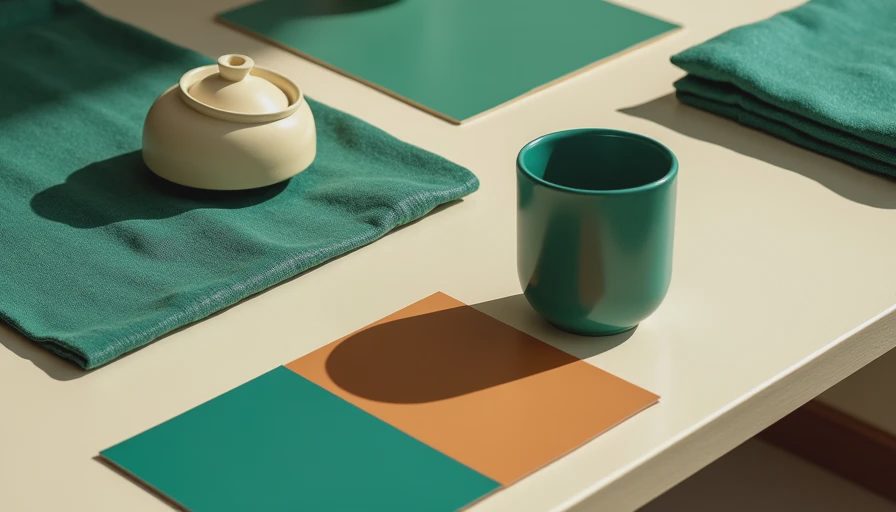
This small test also tells you whether your supporting colors should be warm or cool. Warm greens, such as moss, olive, and yellow-green, are lovely with cream, camel, terracotta, tobacco, and aged brass. Cooler greens, including eucalyptus, mint, and forest green with blue undertones, often settle beautifully beside soft white, navy, dusty blue, and charcoal.
I like to build a room around three layers: the green anchor, a quiet neutral, and one small color that gives the eye somewhere to land. That might be a green velvet chair, a flax linen sofa, and a faded coral pillow. It is simple, but it keeps the room from becoming either too matchy or too busy.
Warm neutrals make green feel collected
When clients ask what colors go with green, warm neutrals are usually my first answer. Cream, ivory, oatmeal, mushroom, tan, and camel give green room to breathe without flattening its character. These shades are especially useful in living rooms, where you want color without making every piece of furniture feel like a statement.
Try olive walls with an oatmeal sofa, woven jute or sisal underfoot, and curtains in natural linen. For a sage bedroom, choose a warm white quilt, a walnut nightstand, and a small lamp with a parchment shade. The result feels calm rather than bland because the green supplies gentle contrast.
Be careful with bright, blue-based white. Next to a yellow-leaning green, it can look stark and slightly sour. A creamy white with a little warmth is kinder, particularly in older homes with uneven plaster, original floors, or light that changes throughout the day. Texture matters, too: boucle, washed linen, cotton canvas, and nubby wool keep a neutral palette from feeling flat.
Color pairings that bring out green
There is no single answer to what colors go with green, because different pairings create completely different moods. Green and blue feel restful and familiar, especially when the blue is dusty, denim, or deep navy. Picture a forest-green sofa with faded blue pillows and a striped throw. It has the ease of a coastal room without turning into a theme.
Green and blush create a softer contrast. A muted rose cushion, dusty pink lampshade, or antique-looking rug can make olive and sage feel warmer. Keep the pink quiet rather than sugary, and repeat it in only two or three places. Terracotta is another beautiful partner. Its clay warmth wakes up eucalyptus, moss, and olive while working naturally with wood floors and leather.
For a more tailored room, combine deep green with charcoal, ink blue, or brown-black accents. These darker colors are excellent on picture frames, curtain rods, small tables, and reading lamps. Use enough lighter fabric to keep the arrangement from becoming heavy, especially in a north-facing room.
What colors go with green walls?
Green walls are happiest when the furniture does not compete with them. If you have painted the room a soft sage, consider upholstery in oatmeal, camel, warm gray, or faded denim. A cream rug will brighten the floor, while wood in oak, walnut, or medium mahogany adds the organic note green naturally wants.
With olive walls, I like ivory, tobacco, rust, and muted blue. A vintage-style rug can combine several of these colors and make the whole scheme feel intentional. If the walls are a deep bottle green, keep larger upholstered pieces lighter: linen, mushroom, tan, or warm gray are all good choices. Add the drama through art, a pair of lamps, or a single patterned chair rather than making every surface dark.
Your trim color deserves attention. Soft white trim can make a green room feel fresh, while the same green carried onto trim and doors feels enveloping and historic. There is no universal right choice. In a small room, matching the trim can reduce visual interruptions; in a family room, contrasting trim may give the architecture a cleaner outline.

What colors go with green furniture?
A green sofa or accent chair is easier to live with than many people expect. Treat it like a neutral with a point of view. For a green sofa, start with pillows in cream, tan, blue, and one warm accent such as rust or faded coral. Avoid purchasing a full set of green accessories. Repeating the exact color too often makes the room feel arranged instead of lived in.
If the upholstery is velvet, balance its shine with matte materials: linen curtains, a cotton rug, a rough ceramic lamp, or a woven basket. If it is a practical performance fabric, bring in softness through wool, quilted cotton, and washed textiles. In my own house, the green chair has survived sticky fingers, cat hair, and one memorable cup of grape juice because the surrounding pieces are forgiving rather than precious.
Green dining chairs pair beautifully with a natural wood table and a simple ivory runner. A green headboard can sit against warm white walls with camel bedding and small blue accents. The same color becomes a different experience depending on the fabric, finish, and nearby texture.
A simple palette plan for your room
If you still wonder what colors go with green, use this five-step method before ordering anything. First, choose the green anchor, whether it is paint, upholstery, tile, or artwork. Second, select a dominant neutral for roughly half of the visible room: a sofa, rug, bedding, or large curtains. Third, add wood or another natural material to keep the palette grounded.
Fourth, choose one supporting color. Blush softens, blue cools, terracotta warms, and charcoal sharpens. Use that shade in a few meaningful places rather than scattering it everywhere. Fifth, add a metal finish. Aged brass works beautifully with olive and forest green, while polished nickel suits cooler mint or blue-green rooms. Black is dependable when you want a crisper, more modern edge.
Lay the samples together on the floor and step back. A fabric that looks lovely alone may fight the rug, and a paint chip that feels peaceful in the store may turn neon beside your floors. Give yourself a day to live with the combination. Your eye will notice what your shopping excitement misses.
Let the room breathe
The best answer to what colors go with green is the palette that supports how you actually live. A family room needs washable fabric, clear walkways, and places to put a glass. A bedroom can hold more delicate linen and deeper color. A rental may need removable art, a green throw, and curtains to create the effect without painting a single wall.
Start with one confident green piece, then surround it with colors that make you feel good when you walk through the door. Do not worry if the linen wrinkles or the pillow shifts out of place. Those signs of living are part of the beauty. A soft room is a room that breathes. Let us make yours exhale.