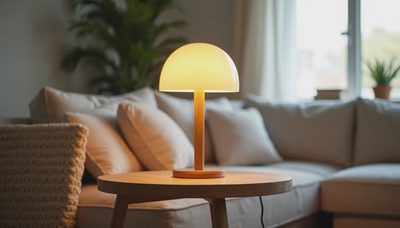
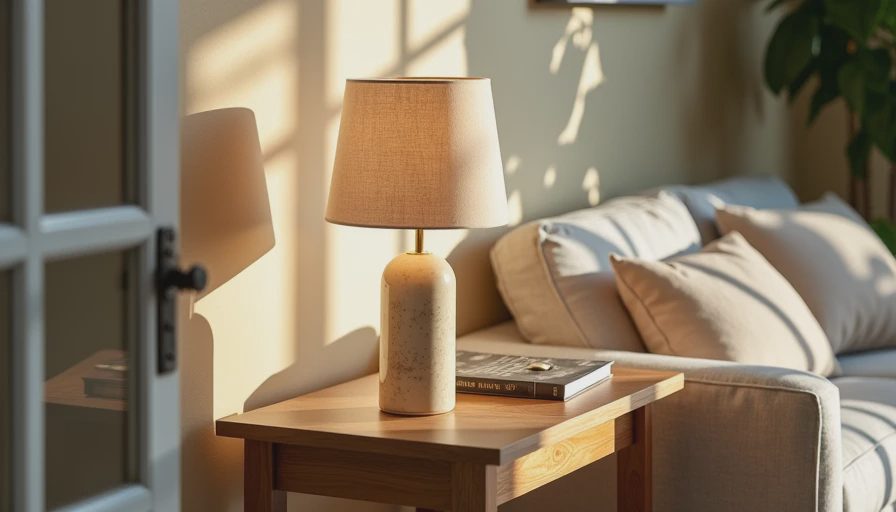
There is a particular kind of light that settles a room instead of simply filling it. I notice it most in the late afternoon, when the Charleston sun has already done its sharpest work and the house begins to shift toward evening. A good table lamp does more than prevent bumping into furniture. It changes the temperature of the space. It tells the eye where to rest.
Lately I have been watching clients reach for marble lamps with a kind of quiet certainty. Not the cold, hotel-lobby kind of marble. The kind that carries weight without looking heavy, that softens rather than sparkles, that looks as though it has always belonged on the surface it occupies. In a house full of soft furnishings—linen slipcovers, washed cotton, wool rugs that forgive muddy shoes—marble lamps offer something the textiles cannot: permanence with warmth.
They are not trend pieces. They are the opposite. They feel like the lighting equivalent of a well-made side table that will still be useful when the children have outgrown the house.
Why Marble Lamps Belong in a Lived-In Home
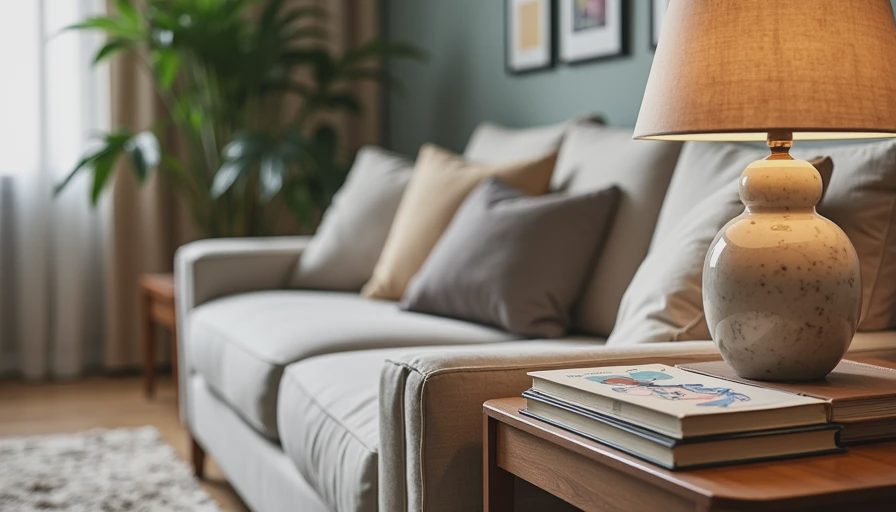
Marble has a reputation for formality. People imagine white stone, dramatic veining, and rooms that require shoes at the door. That version exists, of course. But the marble lamps that work in real family homes are rarely the most theatrical ones. They are quieter. The stone is often slightly warmer in tone, the veining softer, the overall form simple enough to sit beside a stack of library books or a child’s drawing without looking out of place.
The weight that steadies a surface
A marble base has physical presence. When you set one down on a nightstand or a console, the surface feels instantly more intentional. Lightweight lamps can look charming, but they also look temporary. Marble announces that this light is meant to stay. In rooms that already contain a lot of softness—upholstered chairs, layered throws, curtains that move with the air—that solid base creates a necessary counterpoint. The eye registers the contrast and the room feels balanced rather than soft all the way through.
I have watched this play out in several Charleston houses. A living room that previously felt a little floaty suddenly gains a quiet center once a marble lamp is placed on the side table. The sofa looks more grounded. The rug seems more deliberate. Nothing else has to change.
Soft light through hard material
Marble does interesting things with light. Depending on the thickness and the type of stone, it can diffuse, reflect, or simply hold the glow in a way that feels less mechanical than metal or ceramic. Pair it with a linen or paper shade and the effect is particularly successful. The hard material and the soft shade work together. The light becomes ambient rather than directional, which is exactly what most family rooms need after dark.
This is the quality that makes marble lamps especially useful in bedrooms and living rooms. They do not create harsh pools of light. They create a general warmth that allows the rest of the room’s soft furnishings to remain the tactile focus.
Choosing the Right Marble Lamp for Your Space
Not every marble lamp will sit comfortably in a real home. Scale, color, and shade matter more than the prestige of the stone.
Scale and proportion
A marble lamp that is too large for its surface will dominate. One that is too small will look like an afterthought. In most family houses I work with, the successful table lamps fall into a fairly narrow range: base diameter between six and nine inches, overall height between eighteen and twenty-six inches. This size works on standard nightstands, average side tables, and most consoles without crowding the surface or looking lost.
Floor versions exist, of course, and they can be beautiful beside a reading chair. But for everyday use, the table lamp is usually the more flexible choice. It can move with the furniture. It does not require the same commitment of floor space.
Color and veining
Pure white marble with bold gray veining can feel cold in a room that already leans cool. Warmer stones—those with cream, soft beige, or muted taupe undertones—tend to settle more naturally into houses that use linen, oak, and warm whites. The veining itself should not be the loudest thing in the room. Subtle movement is usually more livable than dramatic drama.
I often encourage clients to look at the stone the way they look at a piece of fabric: hold it up against the things already in the room. Does it quarrel with the wood tones? Does it make the walls look dingy? Or does it simply take its place?
Shade choices that keep the stone soft
The shade does a great deal of the emotional work. A hard, glossy shade can make even a beautiful marble base feel formal and unfriendly. Linen, textured paper, or soft cotton shades keep the overall effect approachable. White or natural linen is almost always safe. Soft gray or warm ivory can deepen the warmth without competing with the stone.
Avoid shades that are so dark they swallow the light. The point of a marble lamp is not only the material; it is the quality of light the material helps create.
Where Marble Lamps Work Best
Certain surfaces seem to call for them.
Beside the bed
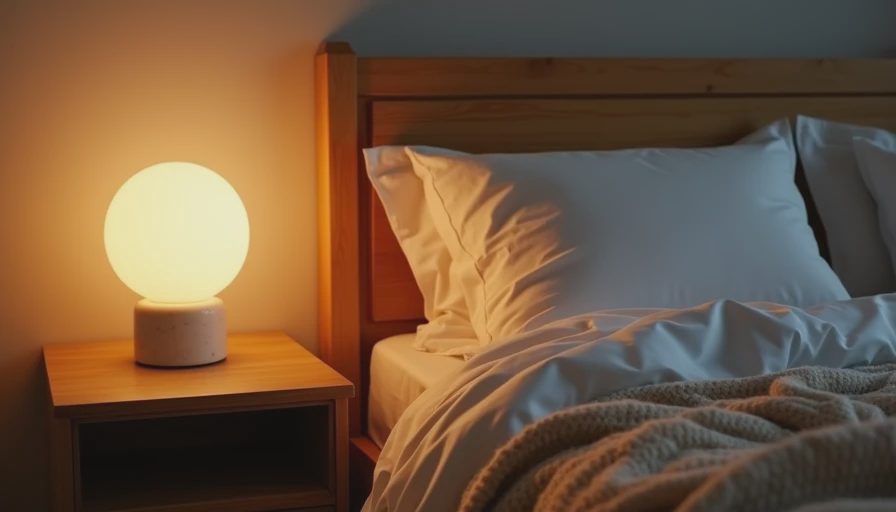
A pair of marble lamps on nightstands creates instant calm. The symmetry is restful, and the weight of the bases makes the bedsides feel finished even when the rest of the room is still evolving. Warm bulbs (around 2700K) keep the light from feeling clinical. Many clients find they can finally put away the bright overheads once the bedside lamps are right.
In rooms shared with children, the lamps also survive better than one might expect. A solid base is harder to knock over than a slender ceramic or metal one. That practicality matters more than we sometimes admit.
On living-room side tables
Here the lamp often shares space with books, a coaster, a small plant, or the remote. Marble handles that kind of everyday company well. It does not look precious. It simply holds its place while the softer objects come and go around it.
I like to place one slightly off-center on a larger table rather than perfectly centered. The slight asymmetry keeps the arrangement from feeling staged.
On a console or entry table
In an entry, a marble lamp does two jobs at once. It provides useful light when you come home with arms full of bags, and it immediately signals that the house is considered. Paired with a mirror and a small tray for keys, it creates a moment of welcome without requiring much else.
How to Style Them Without Looking Staged
The risk with any beautiful material is that it can start to look like a showroom display. Real homes need a little friction.
Pair with soft textiles
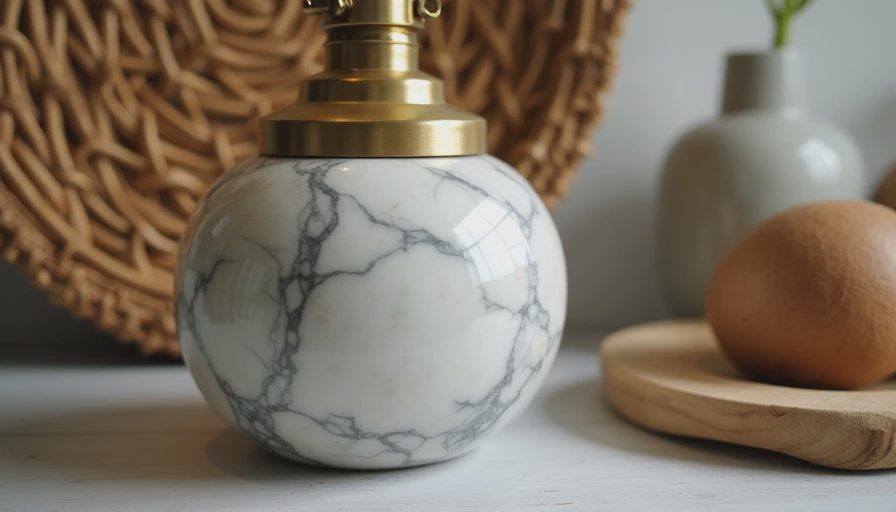
Marble and linen are natural partners. A linen shade, a nearby throw, or a soft rug underfoot keeps the stone from reading as cold. The contrast is the point: hard against soft, permanent against temporary, cool surface against warm fabric. When both are present, neither has to work so hard.
Mix materials deliberately
Wood, rattan, aged brass, and matte black all sit comfortably beside marble. Matching the metal finish of the lamp’s hardware to other finishes already in the room creates quiet continuity. Perfect matching is unnecessary. Harmony is enough.
What I usually avoid is surrounding a marble lamp with more marble. One strong piece of stone is often more effective than several competing ones. Let the lamp be the quiet statement.
Layer the light
A single marble lamp rarely needs to do all the work. Combine it with other sources—floor lamps, wall sconces, candles, or even the glow from a nearby kitchen—so that the room has depth after dark. The marble lamp becomes one note in a larger composition rather than the sole performer.
Practical Considerations for Real Families
Marble is durable, but it is not indestructible. It can stain if liquids sit on it, and some stones etch with acidic spills. In practice this is manageable. A coaster under a glass, a quick wipe when something spills, and the surface stays handsome for years. Most clients find the care is no more demanding than looking after a good wooden table.
For houses with young children or energetic pets, I still recommend marble lamps, but I choose forms with a lower center of gravity and avoid extremely tall, top-heavy designs. The solid base is actually an advantage here. It is harder to tip than many lighter alternatives.
Cleaning is straightforward: a soft cloth and mild soap are usually sufficient. Harsh chemicals and abrasive pads are unnecessary and can dull the surface over time.
The Quiet Luxury of Something That Stays
What I appreciate most about a well-chosen marble lamp is how little it asks of the room. It does not demand that everything around it match. It does not require a pristine lifestyle. It simply takes its place, softens the light, and gives the soft furnishings something solid to play against.
In a Charleston house that deals with humidity, family traffic, and the constant negotiation between beauty and practicality, that kind of quiet reliability is valuable. The lamp will still look like itself after the slipcovers have been washed a dozen times and the rugs have been rotated. It will still cast the same gentle light when the children are older and the furniture has shifted again.
That is the kind of luxury worth having: not the kind that looks expensive in a photograph, but the kind that continues to work when the photograph is no longer the point.
A soft room needs a few hard things. Marble lamps, used with a little restraint and a lot of warmth, are among the best of them.
— Caroline