
Dark wood has a reputation for making a room feel formal, heavy, or stuck in another decade. I understand the hesitation. A glossy mahogany dining set under a too-bright chandelier can certainly feel more club room than family home. But used thoughtfully, dark wood is one of the loveliest ways to give a room depth. It grounds pale walls, makes brass glow, and gives soft fabrics something handsome to lean against.
In my own 1920s house, dark wood appears in the floors, an old hall table, and the legs of a chair that Fig the cat has considered a personal scratching post. None of it looks precious. The trick is balancing its visual weight with light, relaxed textures and enough breathing room around each piece.
Start with the room’s natural light
Before choosing a dark wood cabinet or dining table, notice how the room behaves during the day. A south-facing space can usually carry deeper finishes comfortably, while a north-facing room may need warmer lamps, cream upholstery, and reflective accents to keep the palette from feeling chilly. You do not need to paint everything white. You do need to understand where the shadows land.
Hold samples against the wall in the morning and again after sunset. Walnut often reads soft and chocolatey, while espresso finishes can look almost black in a dim corner. Medium-toned oak with a darker stain gives you some of the same grounding effect without swallowing the light.
For a small living room, consider one substantial dark wood element rather than several matching pieces. A low coffee table, a slim bookcase, or a vintage sideboard can establish the mood. Leave the surrounding walls and upholstery lighter so the eye has somewhere to rest.

Pair dark wood with touchable fabrics
This is where a room stops feeling serious and starts feeling welcoming. Dark wood loves texture. Put it beside nubby linen, washed cotton, wool, rattan, cane, or a slightly rumpled velvet, and the finish begins to feel collected rather than imposing.
A dark wood bed can be softened with an ivory quilt, a faded blue coverlet, and pillows in tobacco, olive, or dusty rose. In a dining room, try upholstered chairs instead of hard wooden seats. Even a simple cotton stripe can make a heavy table feel ready for Tuesday-night pasta rather than a formal holiday dinner.
I am especially fond of linen curtains near dark wood because the fabric filters sunlight without adding another strong pattern. The wrinkles are part of the charm. If your household includes small children, choose a washable cotton-linen blend for the most vulnerable seats and save the delicate vintage textile for a pillow cover.
Choose a color palette that lets it breathe
The easiest way to decorate around dark wood is to begin with three layers: a pale base, one muted color, and a small amount of contrast. Warm white walls, a faded green rug, and terracotta accessories create a relaxed Southern palette. Cream, slate blue, and antique brass feel a little more tailored. Soft gray, rust, and natural jute can make the same furniture feel modern without becoming stark.
Avoid matching every accessory to the stain. A brown vase beside a brown table beside brown picture frames creates a block of sameness. Instead, repeat the wood tone in small, intentional ways: a frame on one wall, a lamp base on a nearby console, or a wooden bowl on the kitchen island. Then introduce materials that break up the repetition.
Paint color matters, but undertone matters more. If the furniture is reddish, yellow-cream walls may amplify the orange. A balanced warm white or muted blue-green usually creates a calmer conversation. Bring home sample cards and look at them with the furniture in place, not in the hardware store aisle.
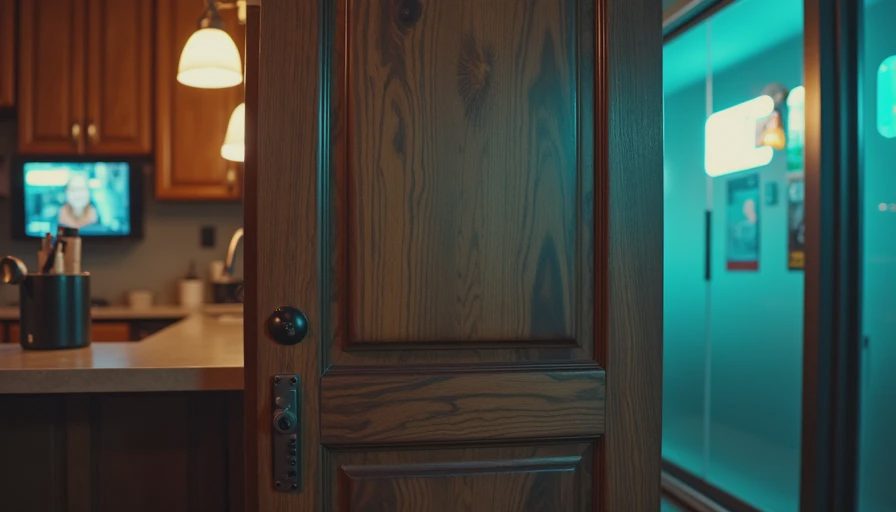
Mix old and new without making a museum
A room full of antique furniture can feel beautiful but overly careful. A room full of sleek new pieces can feel flat. The most comfortable homes let the two argue a little. Place a clean-lined lamp on a traditional dark wood chest. Add a contemporary abstract print above a carved sideboard. Use a simple jute rug beneath a table with turned legs.
The contrast gives each piece more personality. You are not trying to recreate a period room; you are building a home that reflects how your family lives now. A vintage desk can hold a laptop. An old dining table can host takeout. A handsome cabinet can hide board games, charging cords, and the pile of mail you meant to sort yesterday.
When combining finishes, stay within a related temperature. Warm walnut can sit happily with honey oak if the fabrics bridge the difference. Mixing a red-toned cherry piece with very yellow pine is harder, though a patterned rug can help connect them. Two or three wood tones are plenty in one open area.
Make practical choices for real life
Dark wood is not automatically difficult, but very glossy finishes show fingerprints, dust, and fine scratches more clearly than matte or satin surfaces. In a busy home, I prefer a finish with visible grain and a little variation. It hides ordinary living far better than a perfectly uniform lacquer.
Use coasters under cold drinks, felt pads beneath lamps, and a tray on a side table for keys. Wipe spills promptly with a soft, slightly damp cloth rather than soaking the surface. Follow the maker’s care instructions, especially for antique veneer, which can be more delicate than solid wood.
For a family dining table, think about shape as much as appearance. A round or oval table softens a narrow room and reduces sharp corners. A well-sized rectangular table gives children room to spread out coloring pages. Leave enough space for chairs to pull back comfortably; beauty becomes frustrating when everyone has to squeeze past the furniture.
Light the room from several heights
Lighting is the secret ingredient that keeps dark wood from turning gloomy at night. One ceiling fixture is rarely enough. Add a table lamp on a sideboard, a floor lamp near a reading chair, or a pair of small sconces around artwork. Warm bulbs generally flatter deep finishes, while a very cool bulb can make brown surfaces look dull and gray.
A linen shade is particularly useful because it softens the light and adds another layer of texture. Brass, ceramic, and painted lamp bases can all work; there is no need to match the hardware throughout the room. Place a small lamp where you can reach the switch easily. The light should serve the evening routine, not simply look attractive in a photograph.
If you are refreshing a room on a modest budget, begin with bulbs and textiles before replacing furniture. A $40 throw, a secondhand lamp, and a washable rug can change the balance dramatically. Let the larger pieces stay. Good furniture often needs better company, not a trip to the curb.
A simple plan for your next room refresh
Start by photographing the room at three different times of day. Mark the pieces that feel too heavy and the corners that feel visually empty. Then choose one lightening move, such as cream curtains, and one grounding move, such as a deeper rug or a substantial wood bowl.
Next, remove two accessories before adding anything new. Space is part of the composition, and crowded surfaces make even beautiful furniture look accidental. Bring in one soft texture, one living element, and one personal object. A linen cushion, a leafy plant, and a framed family sketch will do more than a shelf of unrelated decor.
Finally, live with the arrangement for a week. Move the lamp when reading feels awkward. Shift the chair if it blocks the walkway. A successful room is not the one that stays untouched; it is the one that supports breakfast, homework, guests, naps, and the occasional cat hair tumbleweed. Dark wood can be wonderfully warm when the rest of the room is allowed to breathe.