For a while I did what every new parent with a design background does: I went hunting for fabrics that could survive a six-year-old and a cat and still look intentional. The internet was full of cheerful promises. Washable performance velvet. Stain-resistant linen blends. Outdoor fabric brought indoors. Everything that could be thrown in the machine or wiped with a damp cloth was suddenly the responsible choice.
I bought a lot of it. Some of it is still in the house. And then one ordinary Tuesday I looked around and realized the rooms had started to feel slightly… sealed. Practical, yes. Soft, not really.
The quiet cost of “practical”
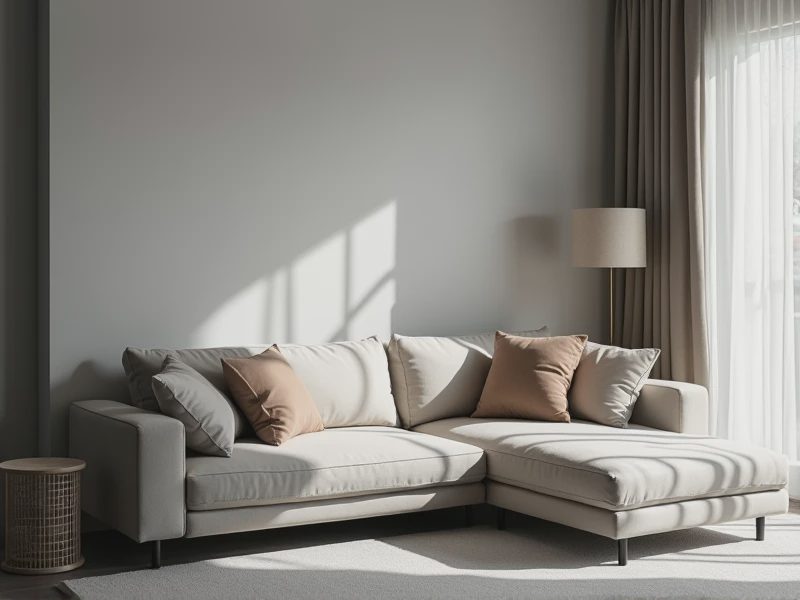
Many performance fabrics are engineered to resist. They resist stains, resist fading, resist the very thing textiles are supposed to do—which is accept the world a little. They often have a faint synthetic hand, a way of reflecting light that stays a bit hard, a reluctance to wrinkle or drape or settle. Over time that resistance starts to shape the feeling of the room. The sofa looks tidy. The chairs look ready for company. The whole space feels like it is holding its breath, waiting for the next spill so it can prove itself.
I noticed it most in the evenings. After Lily was in bed and the house got quiet, the living room did not invite me the way it used to. The cushions did not quite yield. The throw that claimed to be machine-washable felt more like a polite barrier than a soft layer. I had optimized for disaster and accidentally designed out ease.
What I do instead
I still care about durability. I live with a child and a cat who believes she is entitled to every soft surface. I am not interested in white silk sofas or anything that requires a stern talking-to before someone sits down. But I have changed the order of questions I ask.
First: how does this fabric feel when nothing is wrong? Does it invite a bare foot, a cheek, a long afternoon of reading? Does it take the light kindly? Does it look better after a year of ordinary use, or does it only look acceptable until the first real test?
Second: how does it actually fail? Some natural fibers show every mark but age with a certain grace. A good linen or a tightly woven cotton can be cleaned, and even when it cannot be restored to factory perfection, it often still looks like something a person would want to live with. Many performance fabrics, once they do stain or pill or shine from wear, look simply defeated.
Third: can I protect the vulnerable places without sacrificing the whole room? This is where strategy matters more than miracle textiles. I use washable slipcovers on the pieces that take the most abuse. I keep throws in rotation so the primary upholstery is not the first line of defense. I choose tighter weaves and slightly darker or more complex colors in high-traffic zones. I accept that the ottoman will take the brunt of snack time and plan accordingly.
The fabrics that stayed
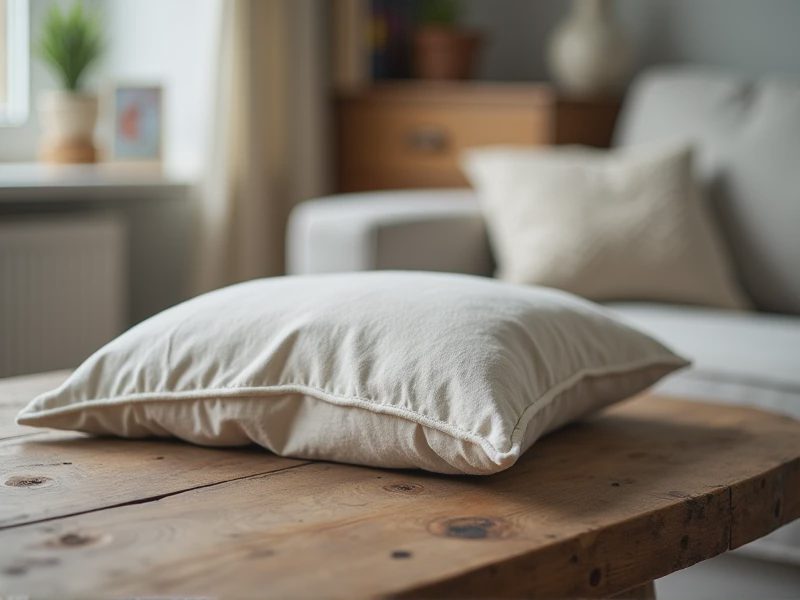
The pieces I still love are the ones that were never sold to me as indestructible. A Belgian linen sofa in a color that forgives. A pair of chairs in a cotton velvet that has been sat on, climbed on, and occasionally cried on, and somehow still feels generous. Curtains in a simple cotton that wrinkle and shift with the humidity and look more like themselves every year. These textiles do not pretend they will stay perfect. They just stay companionable.
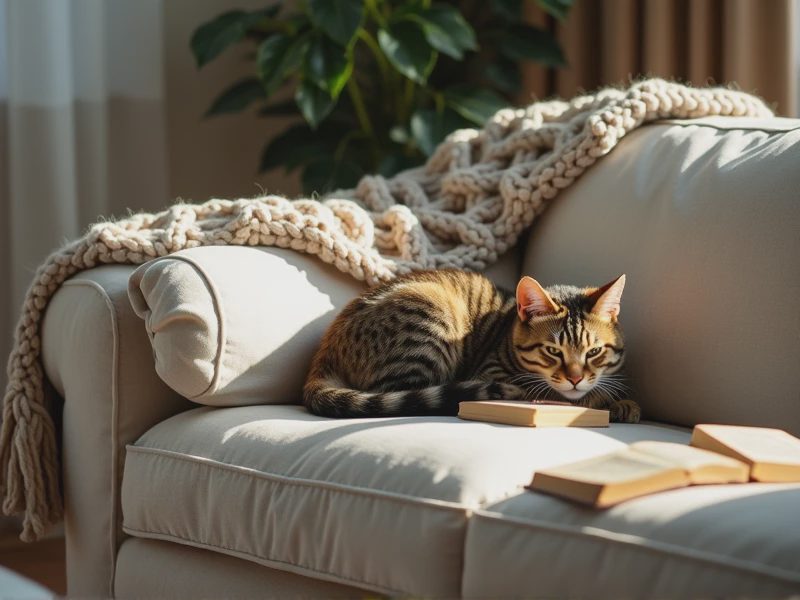
I have also made peace with a certain amount of visible life. A faint watercolor mark on the arm of a chair that no one else notices. The place on the window seat where Fig has decided to sharpen her claws and we have decided to let her. These are not failures of maintenance. They are evidence that the room is doing its job.
A different kind of ease
The goal was never a house that could be hosed down. The goal was a house that could be lived in without constant vigilance—and that still felt soft when the vigilance was unnecessary. “Washable” is a useful quality. It is not a personality. When every surface prioritizes resistance, the room starts to resist you too.
These days I buy fewer miracle fabrics and more honest ones. I protect what needs protecting. I let the rest age. And the house, finally, feels like it can exhale again.
A soft room is a room that breathes.
Sometimes the softest choice is the one that isn’t trying so hard to be practical.
— Caroline